
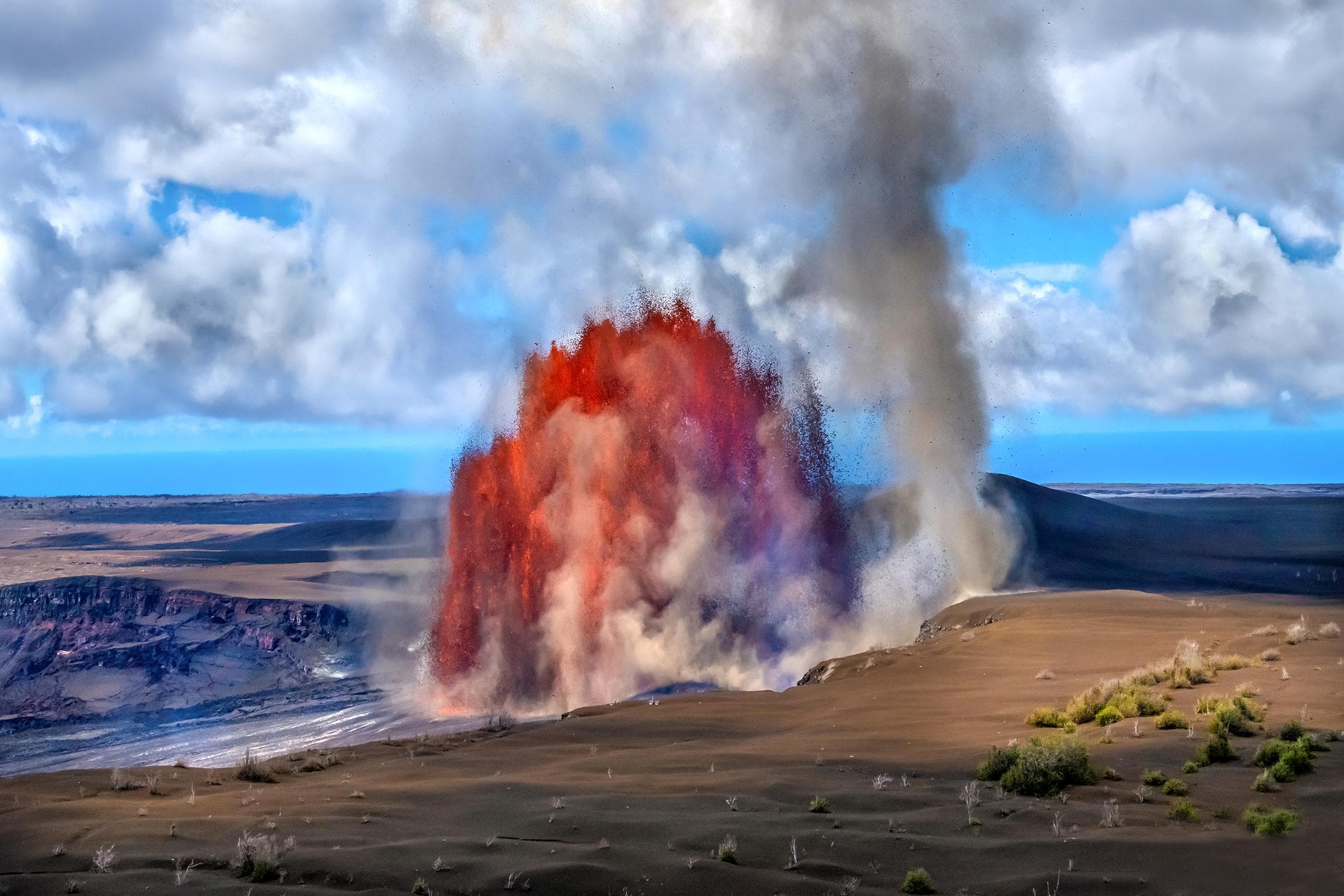
Entrance Fee
$30.00
/ Entrance - Private Vehicle
Park Hours (Today)
All Day
Welcome Center: 9:00AM - 4:45PM
Miza AI
Plan your Hawaiʻi Volcanoes trip
About the Park
Hawai‘i Volcanoes National Park protects some of the most unique geological, biological, and cherished cultural landscapes in the world. Extending from sea level to 13,680 feet, the park encompasses the summits of two of the world's most active volcanoes - Kīlauea and Mauna Loa - and is a designated International Biosphere Reserve and UNESCO World Heritage Site.

Ready to explore Hawaiʻi Volcanoes National Park?
Take the stress out of planning. Our AI will automatically sequence your stops, find the best hotels, and optimize your driving time in seconds.
What to See & Do

Park Bookstore
Hawaiʻi Pacific Parks Association operates the official park bookstores at the Welcome Center and the Kahuku Unit.
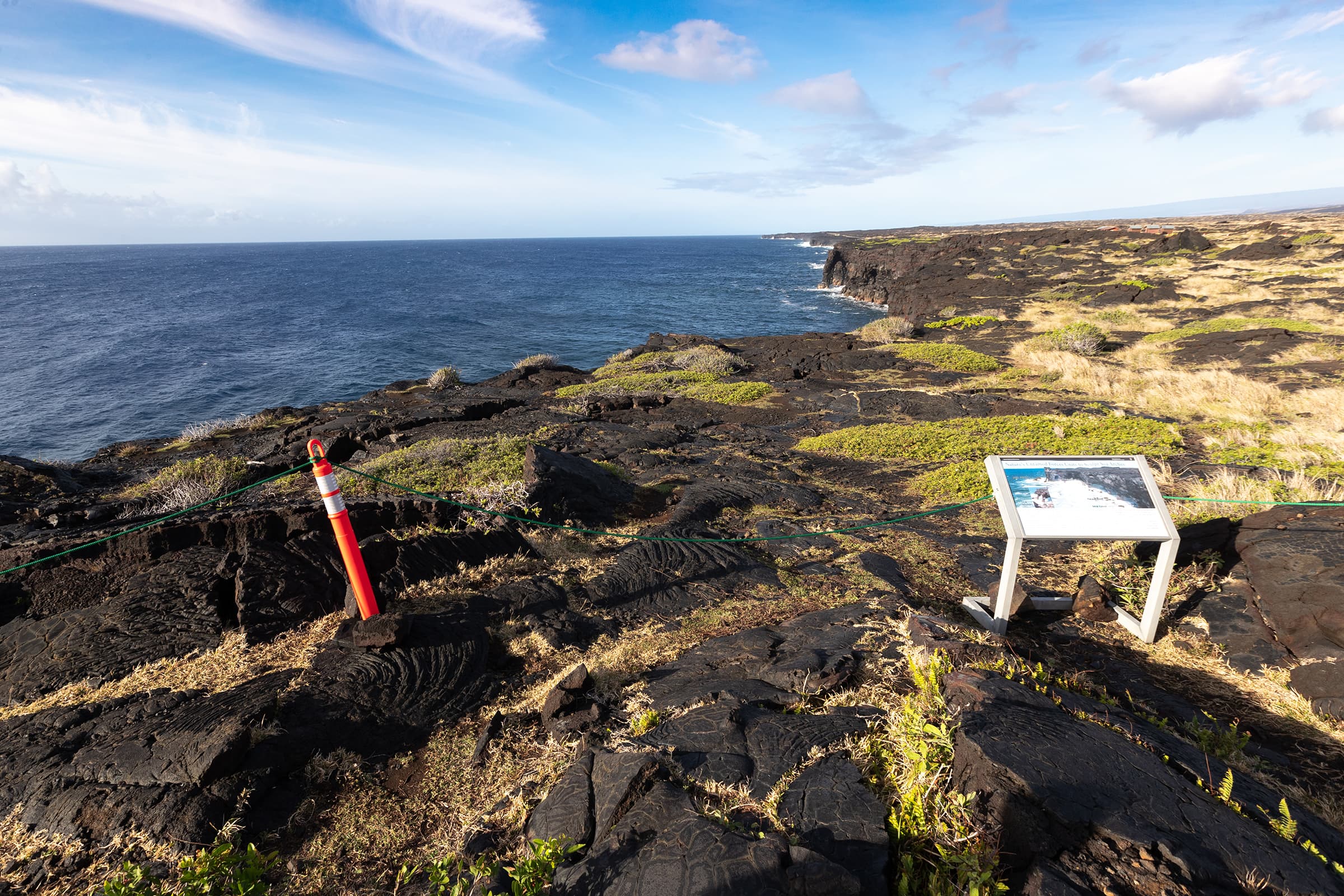
Hōlei Sea Arch
Walk a short distance to a view of dramatic sea cliffs and a 90-foot high arch sculpted by the sea.
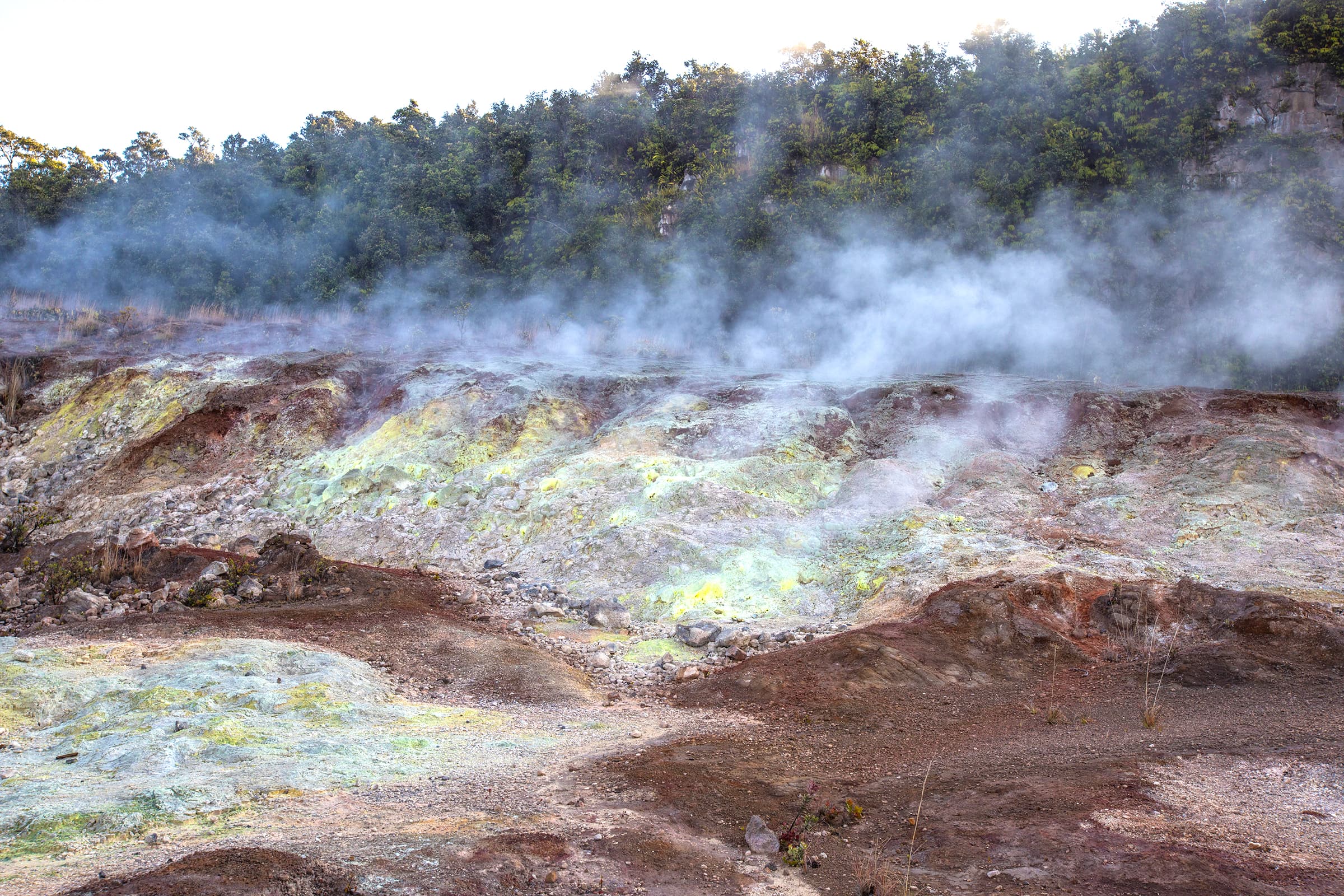
Haʻakulamanu via Sulphur Banks Trail
See where volcanic gases have deposited colorful crystals.
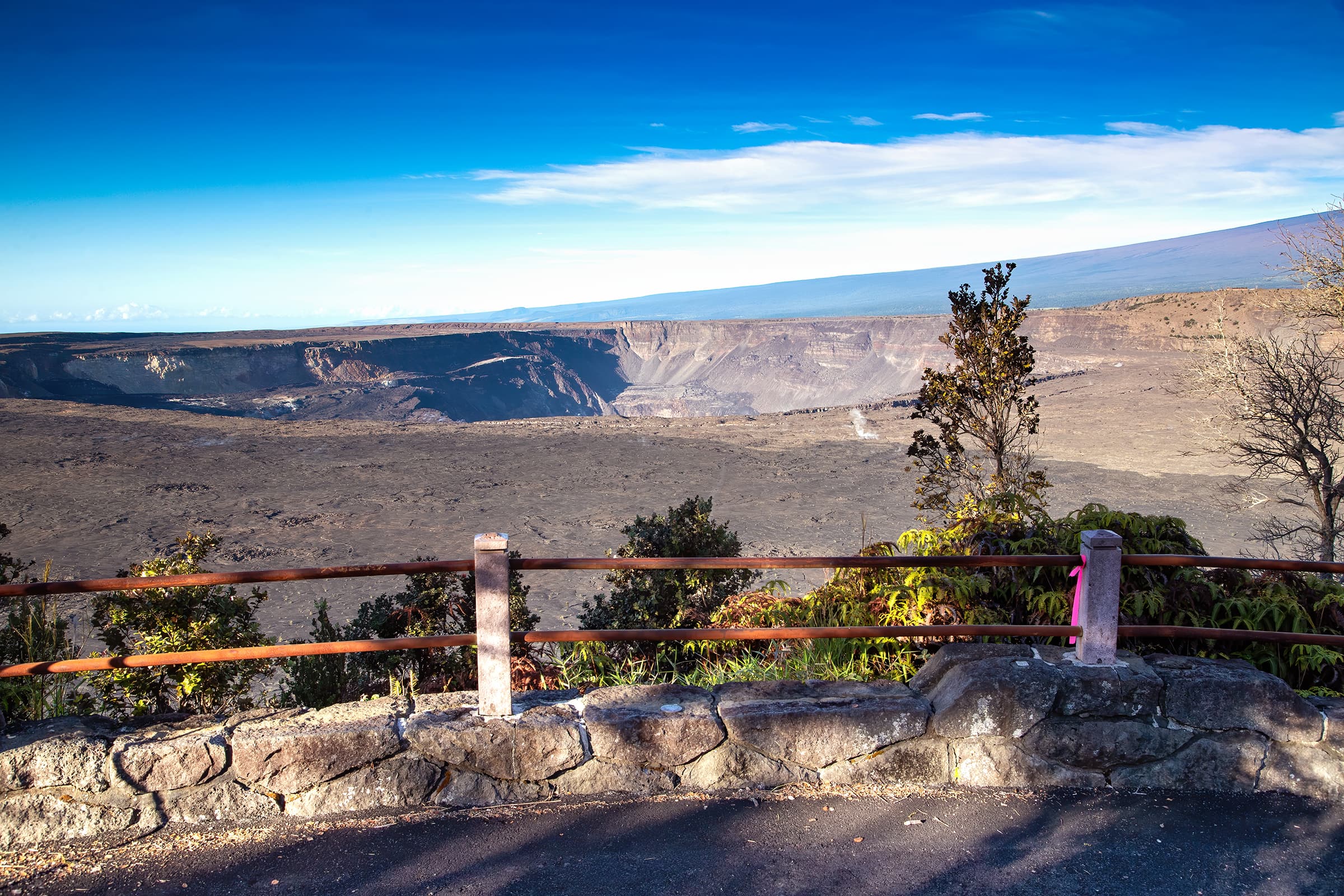
Kūpinaʻi Pali (Waldron Ledge)
Walk along an old road damaged by an earthquake in 1983 and get panoramic views of Kaluapele
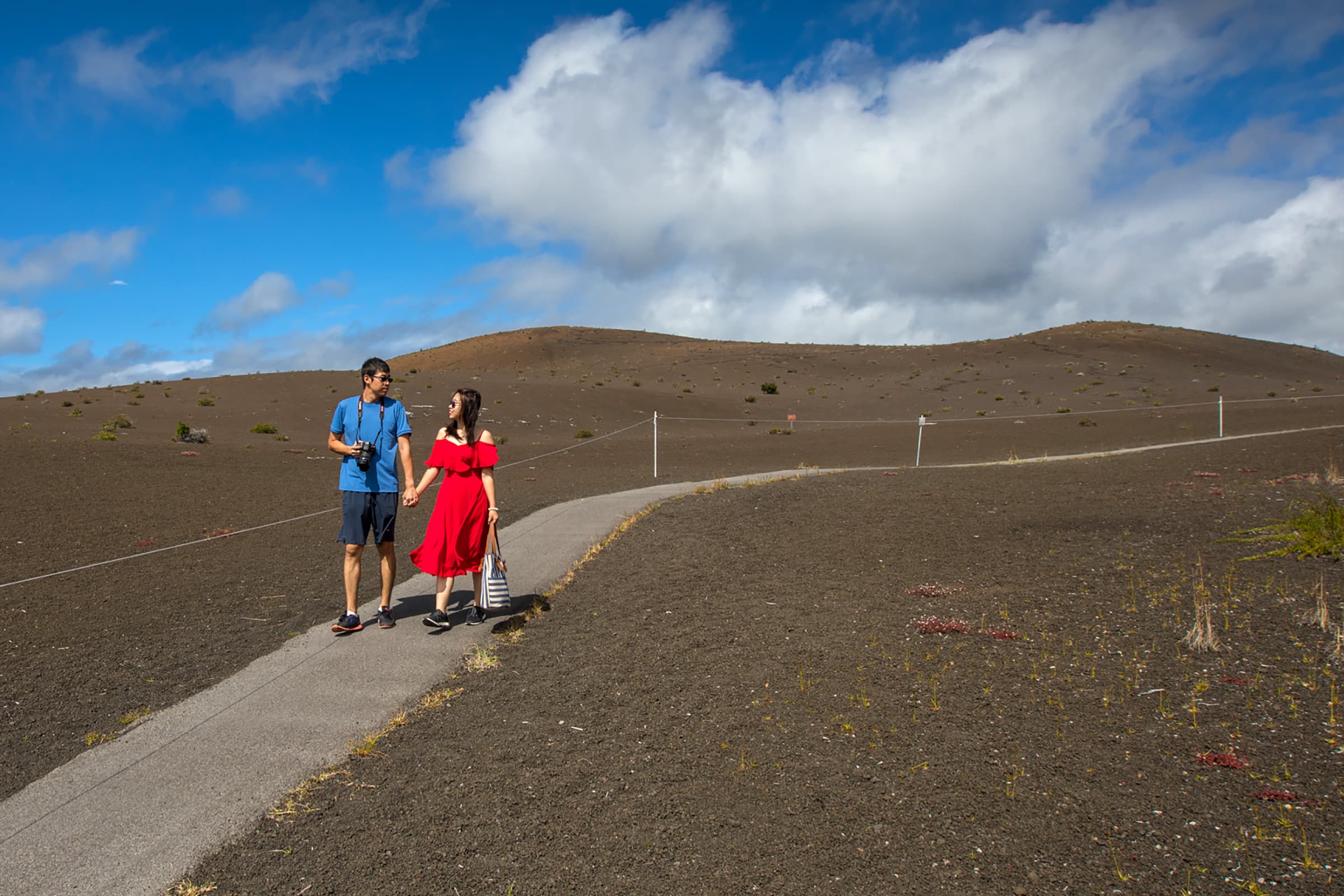
Devastation Trail
Stroll on a paved path through a recovering landscape that was buried by falling cinder from the 1959 Kīlauea Iki eruption.
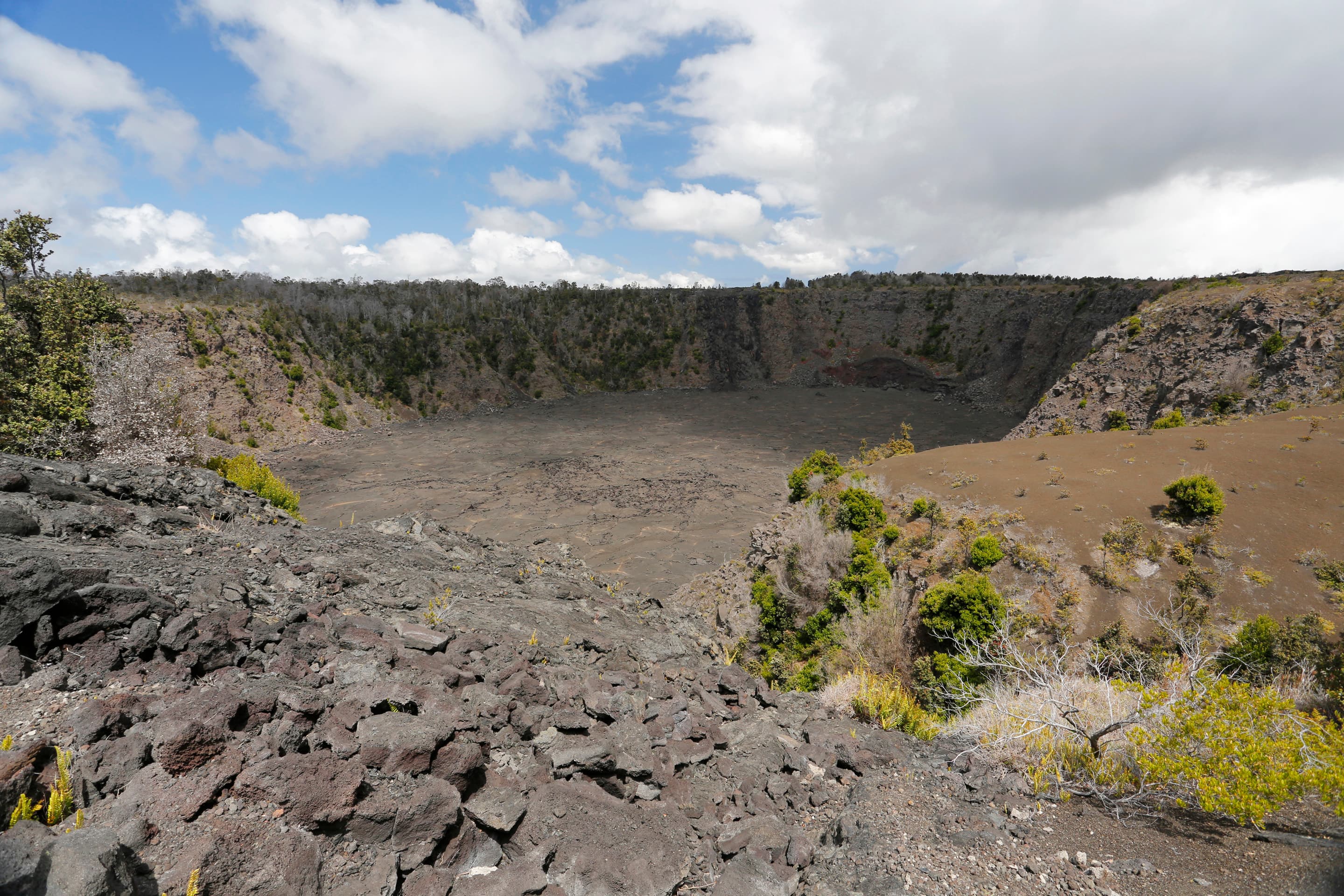
Keanakākoʻi
Walk along an old portion of Crater Rim Drive to Keanakāko'i Crater and views toward the massive Halemaʻumaʻu.
Self-Guided Tours
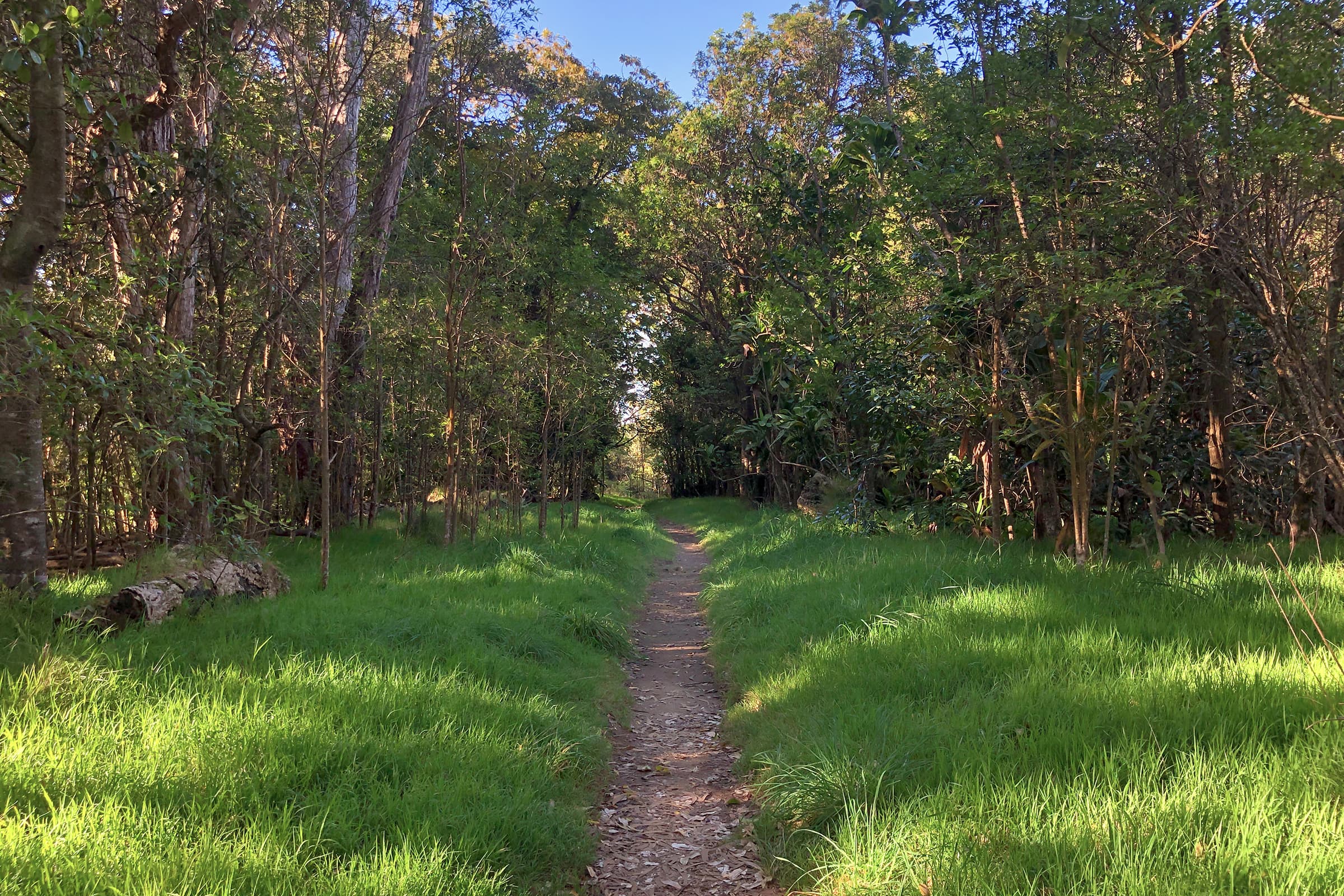
Hiking Tour of Kīpukapuaulu
This trail reveals a story of struggle and survival for some of rarest plants and animals of Hawaiʻi. Plant picking is prohibited in this Special Ecological Area (SEA). Dogs, horses, and bicycles are prohibited on this trail.
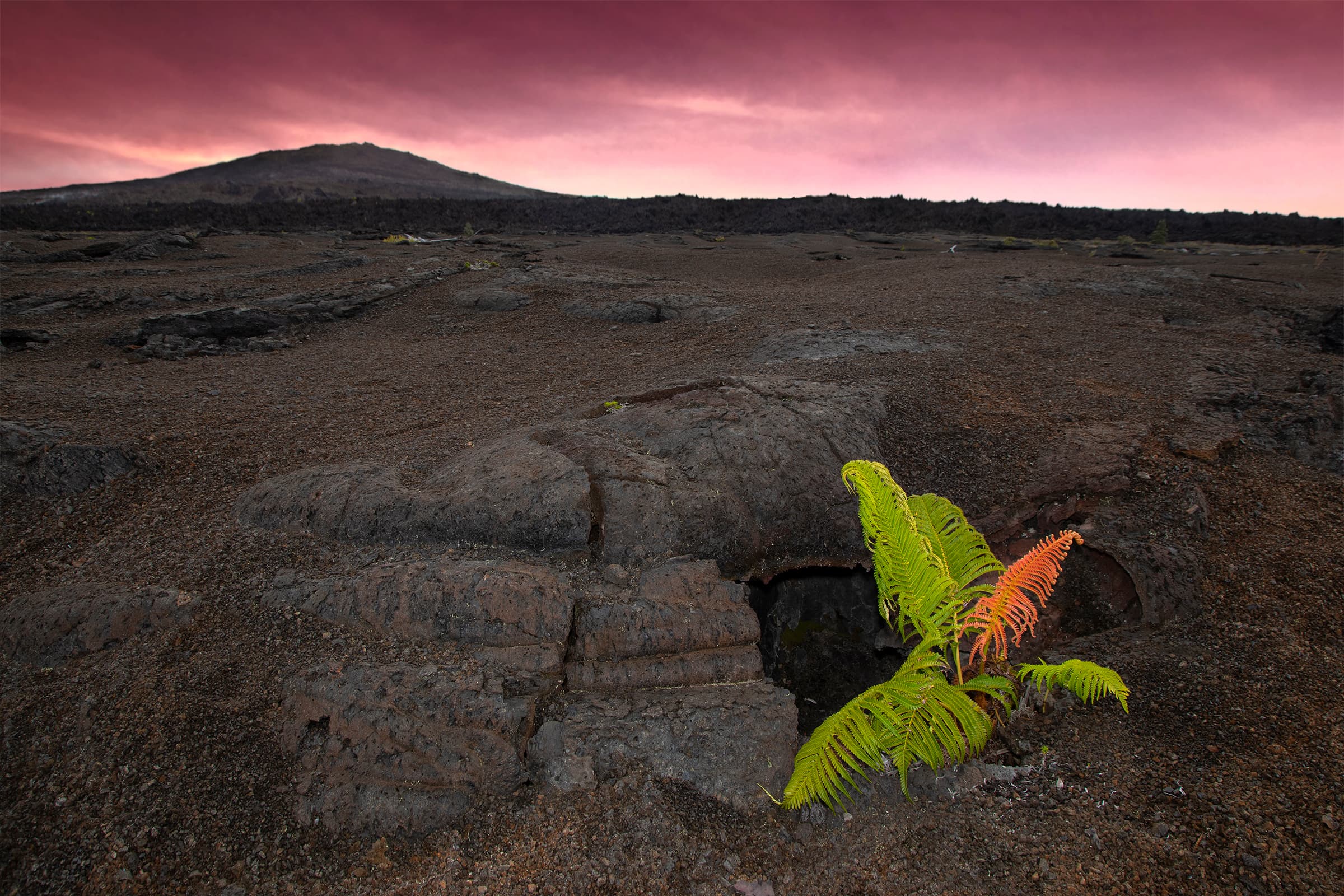
Hiking Tour of Maunaulu
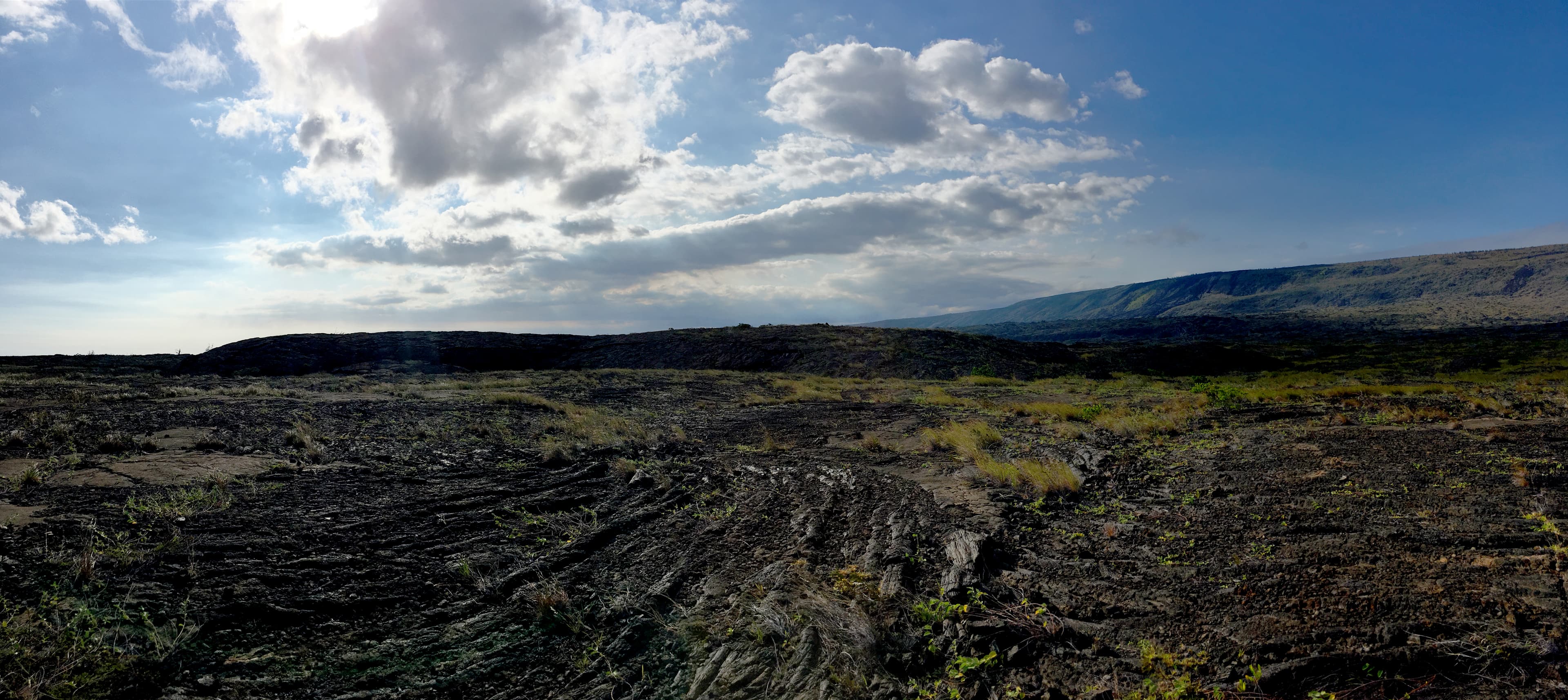
Venture through a landscape formed in a five-year eruption that re-created this land. This trail tells the story of one of the longest known rift zone eruptions of Kīlauea. The well-marked trail crosses massive lava fields, skirts gaping fissures, and takes you to spectacular features formed by rapidly cooling lava flows.
Hiking Tour of Puʻuloa Petroglyphs
Walk in the footsteps of the kūpuna (elders) to Puʻuloa (hill of long life). It is a sacred and awe-inspiring gallery of kiʻi pōhaku (images carved in stone). These simple etchings document the life and culture of the native Hawaiian people. The petroglyphs are very fragile. Stay on the boardwalk. Walking on the lava surface will fragment the delicate petroglyphs.
Visitor Centers
Welcome Center
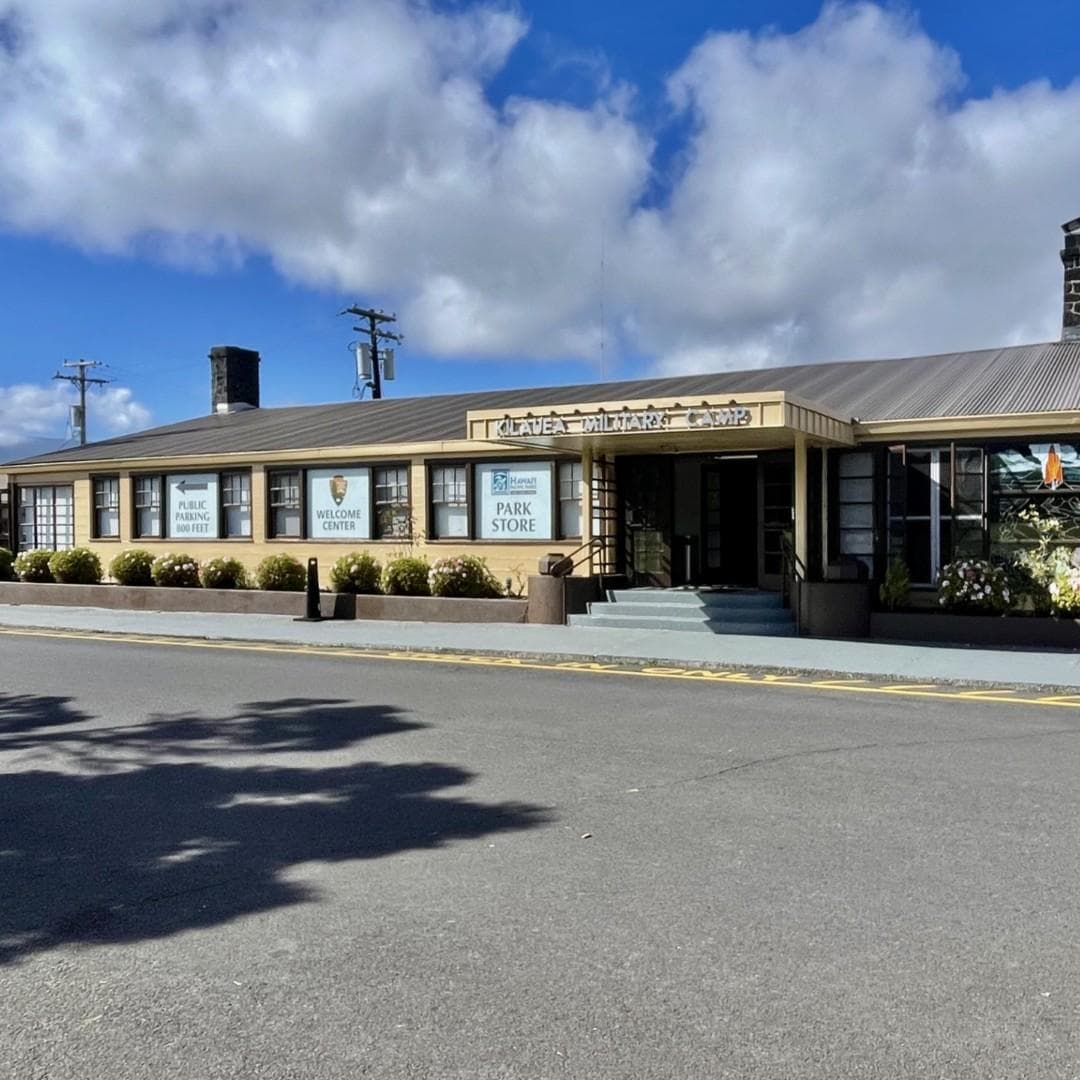
The Welcome Center is a great first stop when entering the park. Rangers and volunteers are on duty daily to provide visitors with the latest information on the current conditions, hiking information, things to do and the daily schedule of ranger-led activities. The Hawai'i Pacific Parks Association operates a park store in the Welcome Center that sells books, posters, and other educational materials. Proceeds benefit park programs.
Kahuku Visitor Contact Station
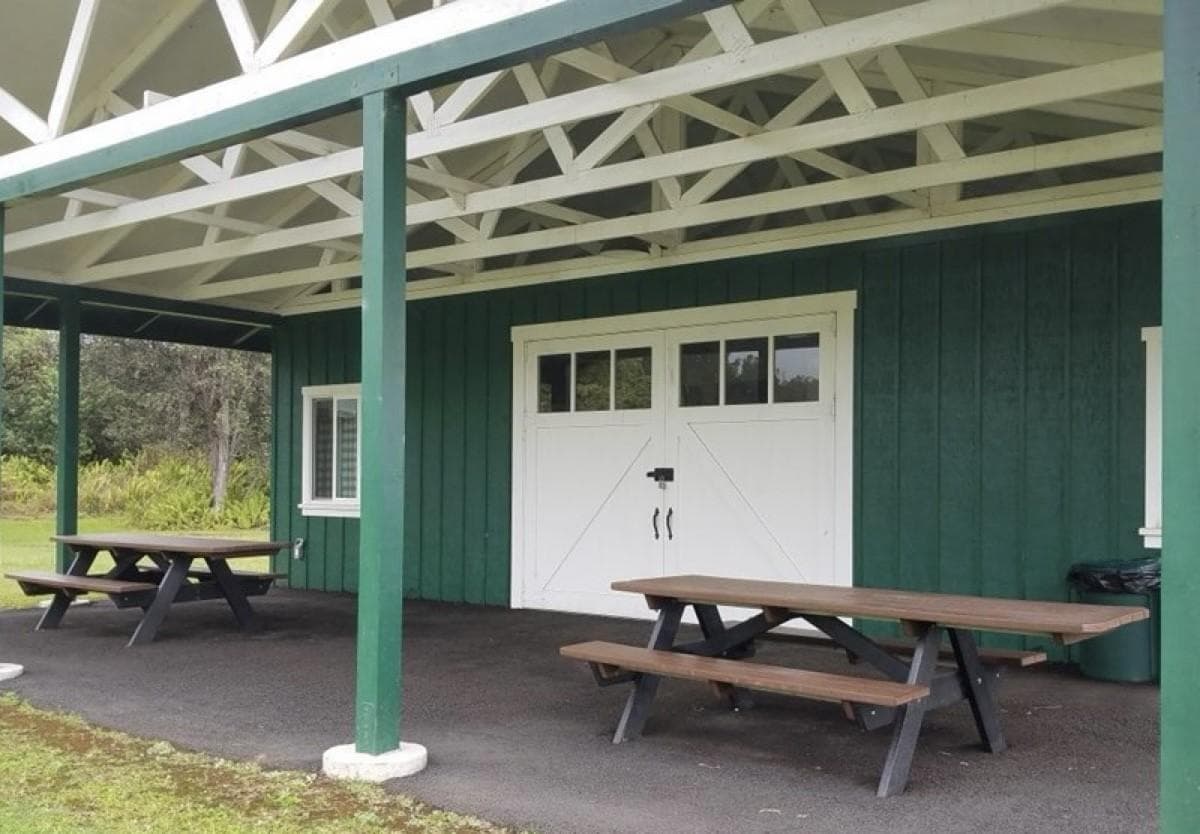
Located at the Kahuku Unit of the park in the district of Ka'ū, the Kahuku Visitor Contact Station provides park information, assistance, and books and gifts available through Hawaiʻi Pacific Parks Association.
Where to Stay
Nāmakanipaio
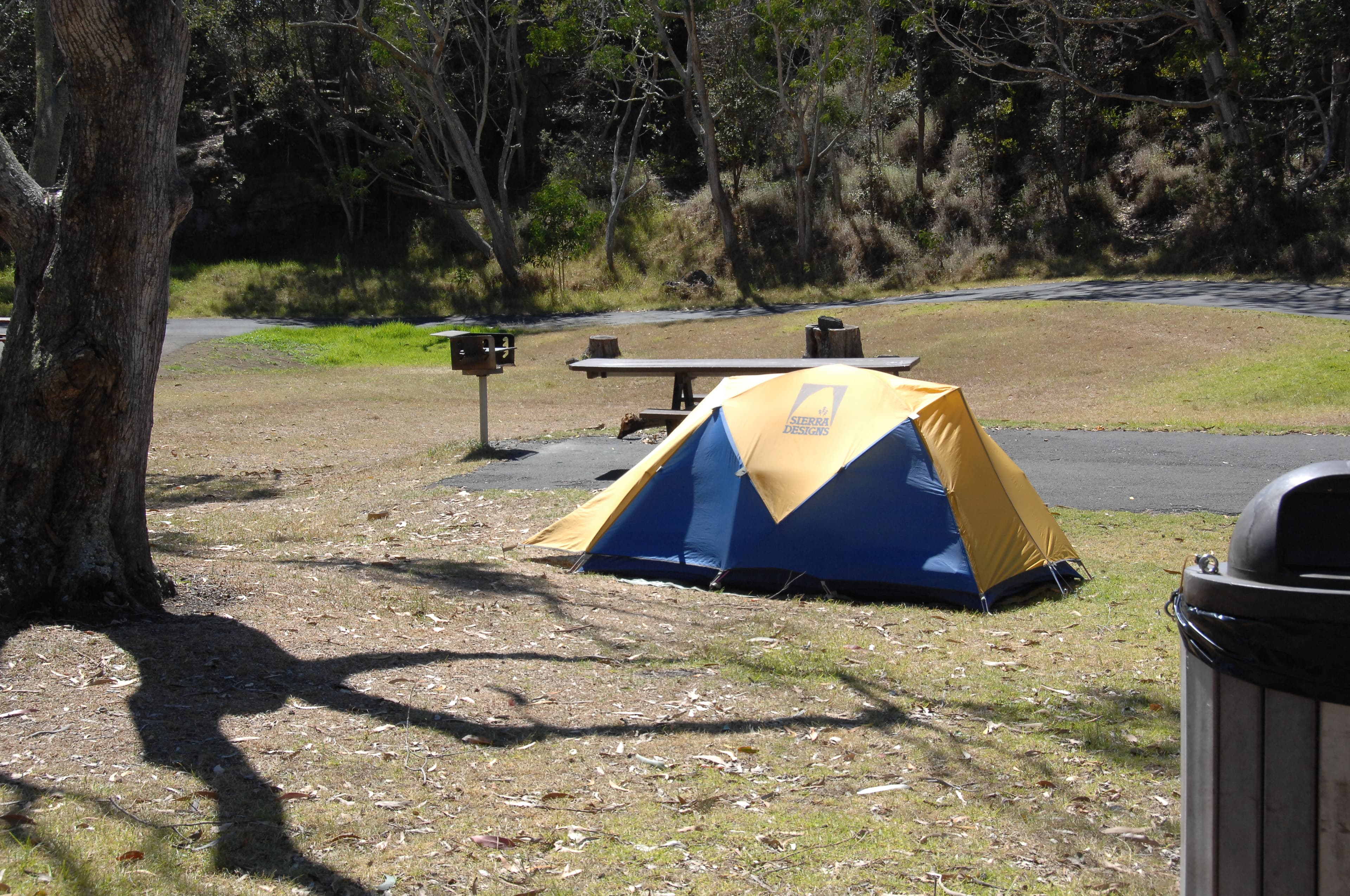
Nāmakanipaio Campground is located 31.5 miles south of Hilo on Highway-11 at 4,000' elevation. It is a large, open grassy area with tall eucalyptus and 'ōhi'a trees. This campground has restrooms, water, picnic tables and barbecue pits. Campfires are permitted in the barbeque pits only. If there are more than 2 people in your party, you can expand to 4 people per site with another tent. Maximum stay is 7 days.
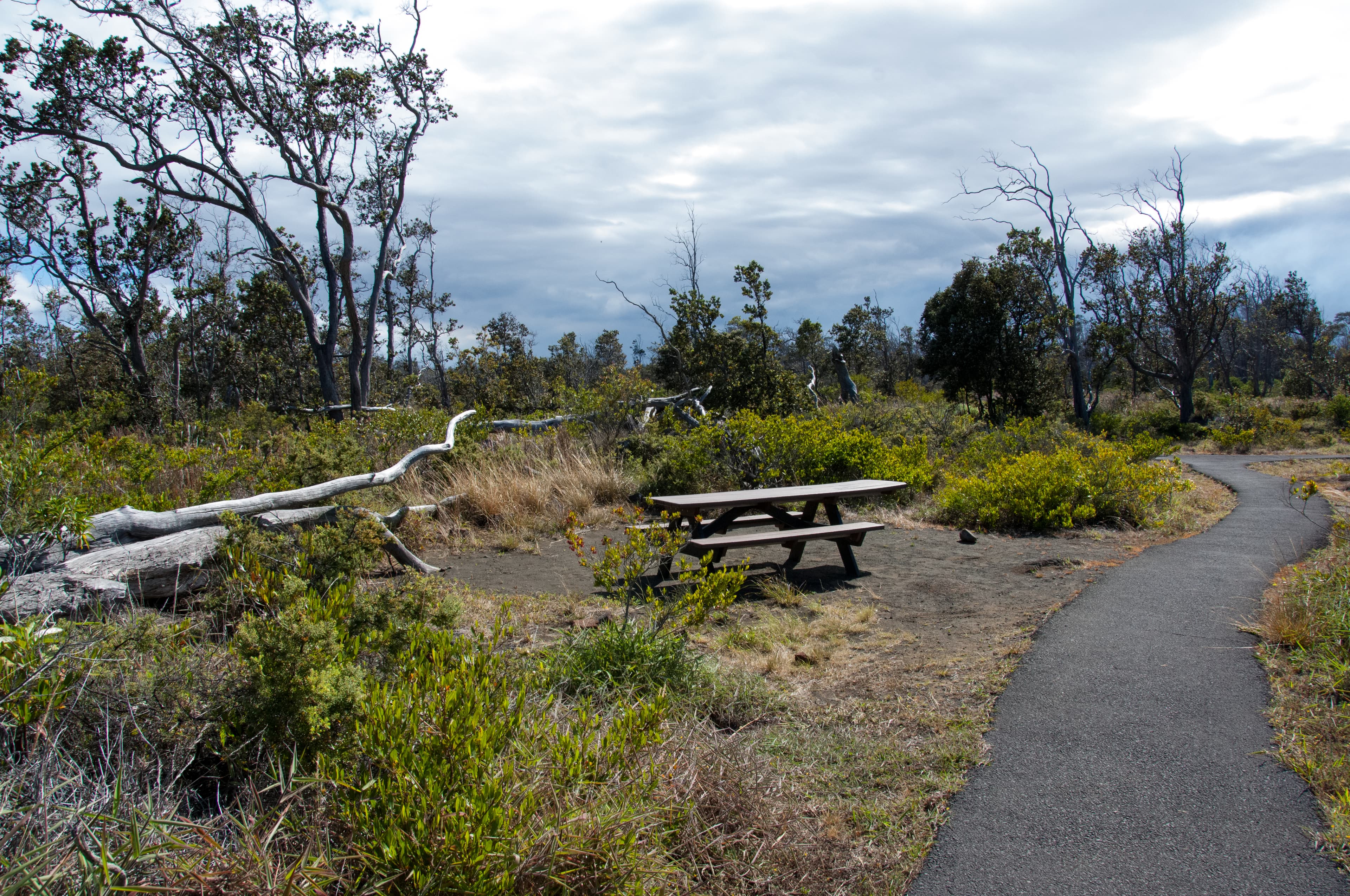
Kulanaokuaiki
Kulanaokuaiki is located off Hilina Pali Road at 3,200 feet (975 m), there are nine walk-in campsites with picnic tables. There is an accessible vault toilet; however, no water is available and campfires are not permitted. Use fueled camping stoves only. This campground is subject to closure when the area is dry and during times of high fire risk. No dogs or pets are allowed at this campground to protect endangered nene.
Parking & Access
Getting Here
Hawai‘i Volcanoes National Park is located on the Island of Hawai‘i. From Hilo: 30 miles southwest on Highway 11 (45 minute drive); from Kailua-Kona: 96 miles southeast on Highway 11 (2 to 2.5 hour drive), or 125 miles through Waimea and Hilo via Highways 19 and 11 (2.5 to 3 hours).
Official NPS directionsParking Lots
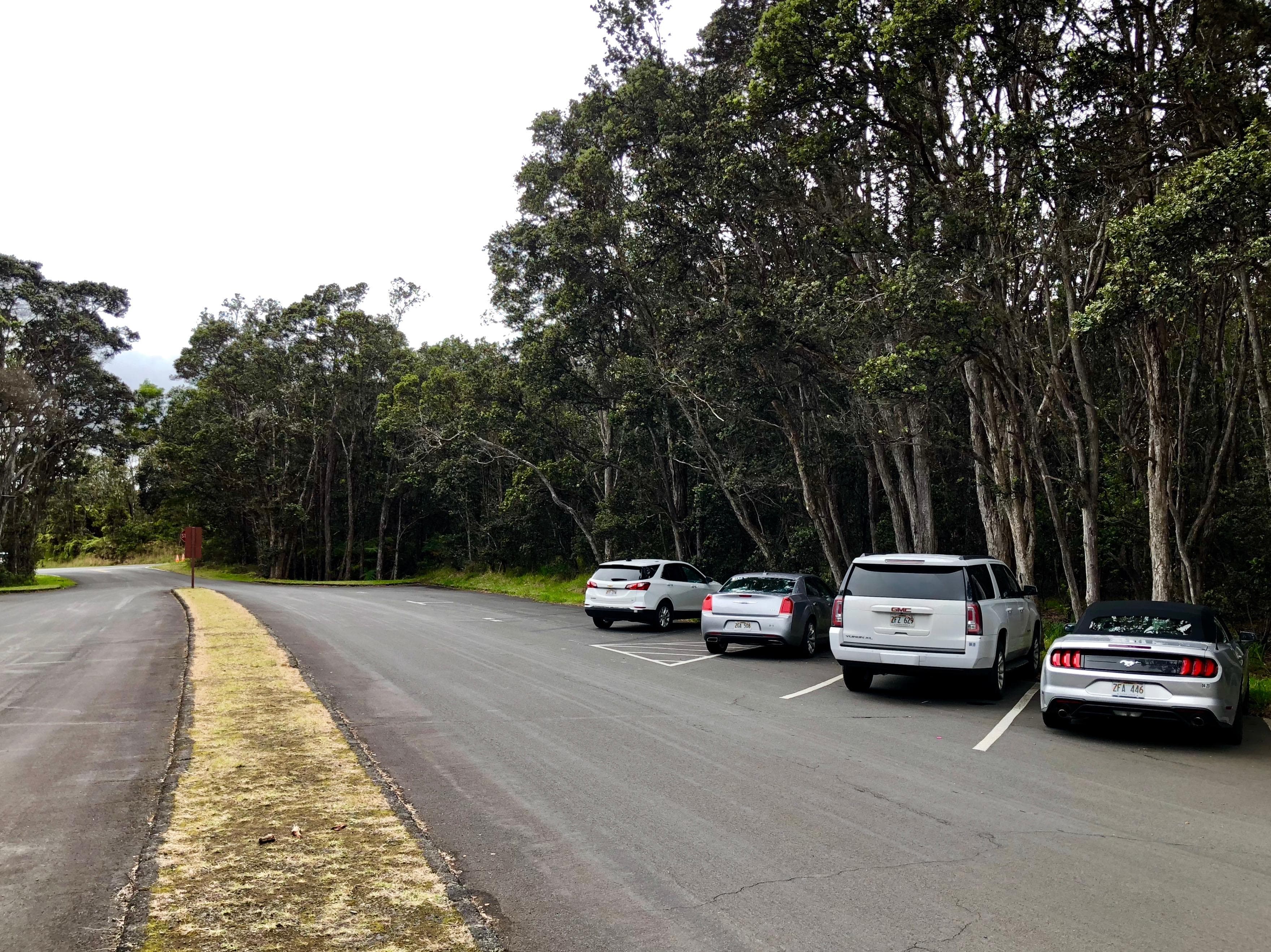
Devastation Trail Parking Lot
Open in Maps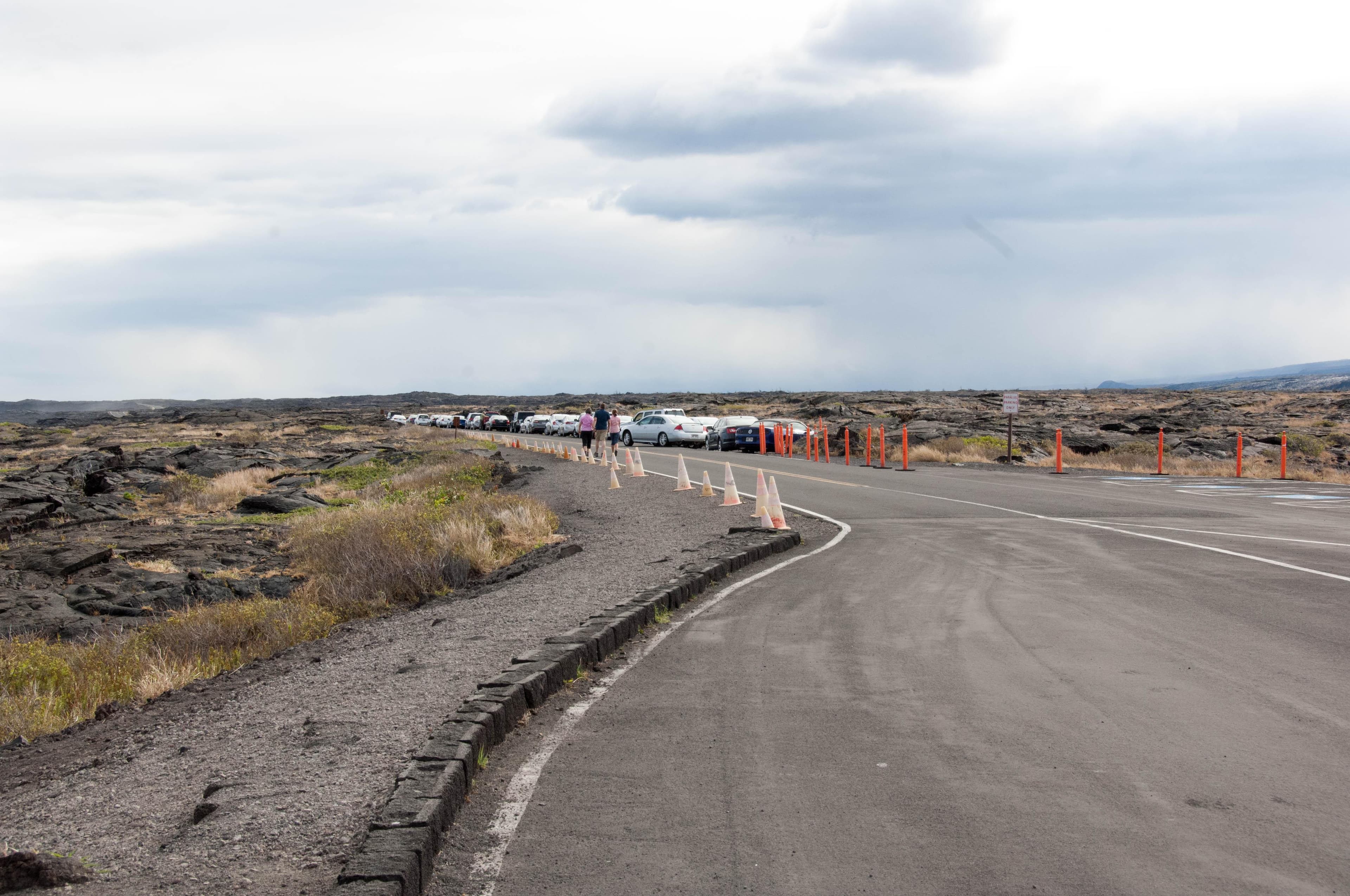
End of Chain of Craters Road Parking
Open in Maps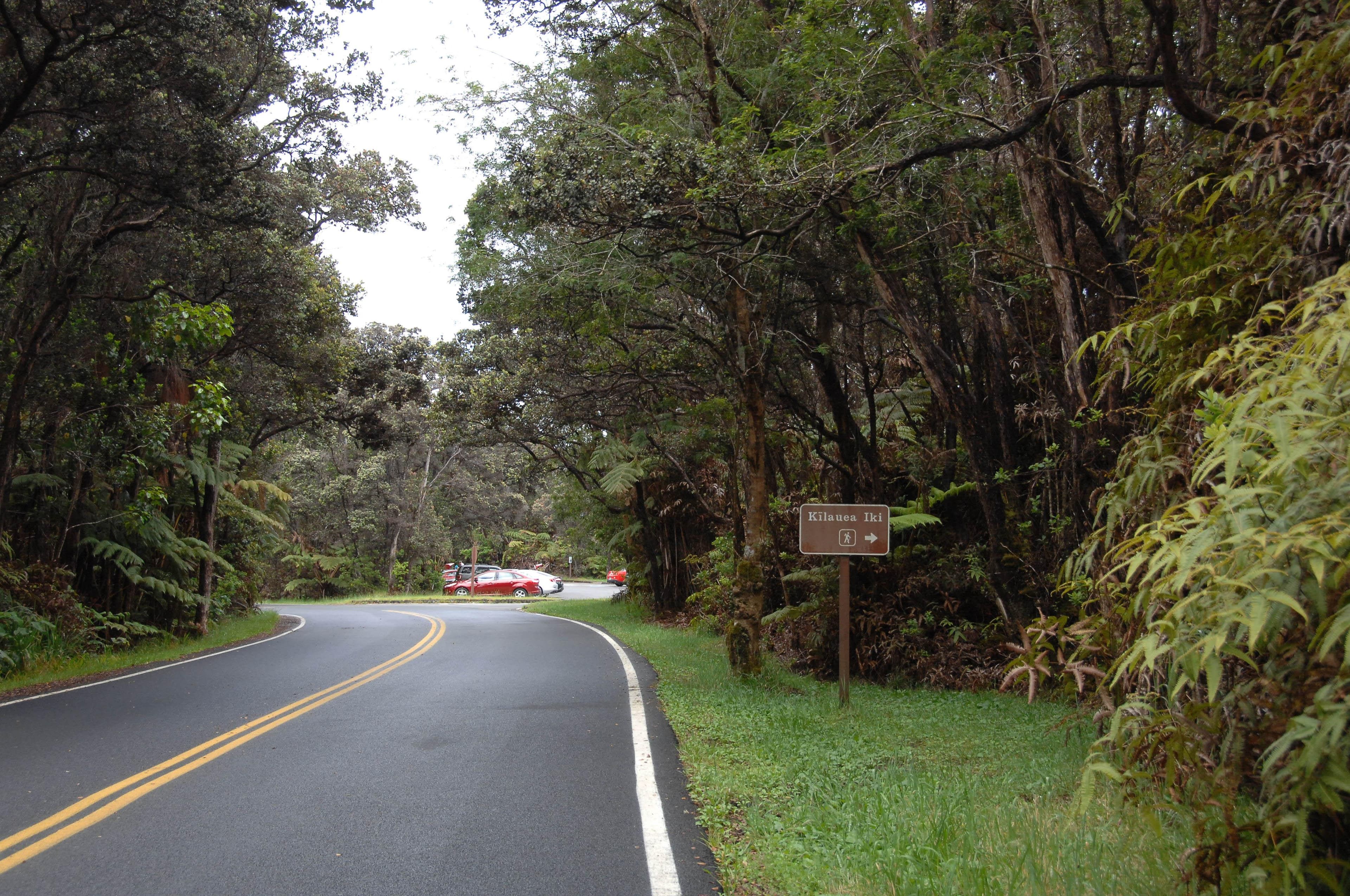
Kīlauea Iki Overlook Parking Lot
Kīlauea Iki Overlook is often used to access the Kīlauea Iki Trail and Nahuku (Thurston Lava Tube).
Open in Maps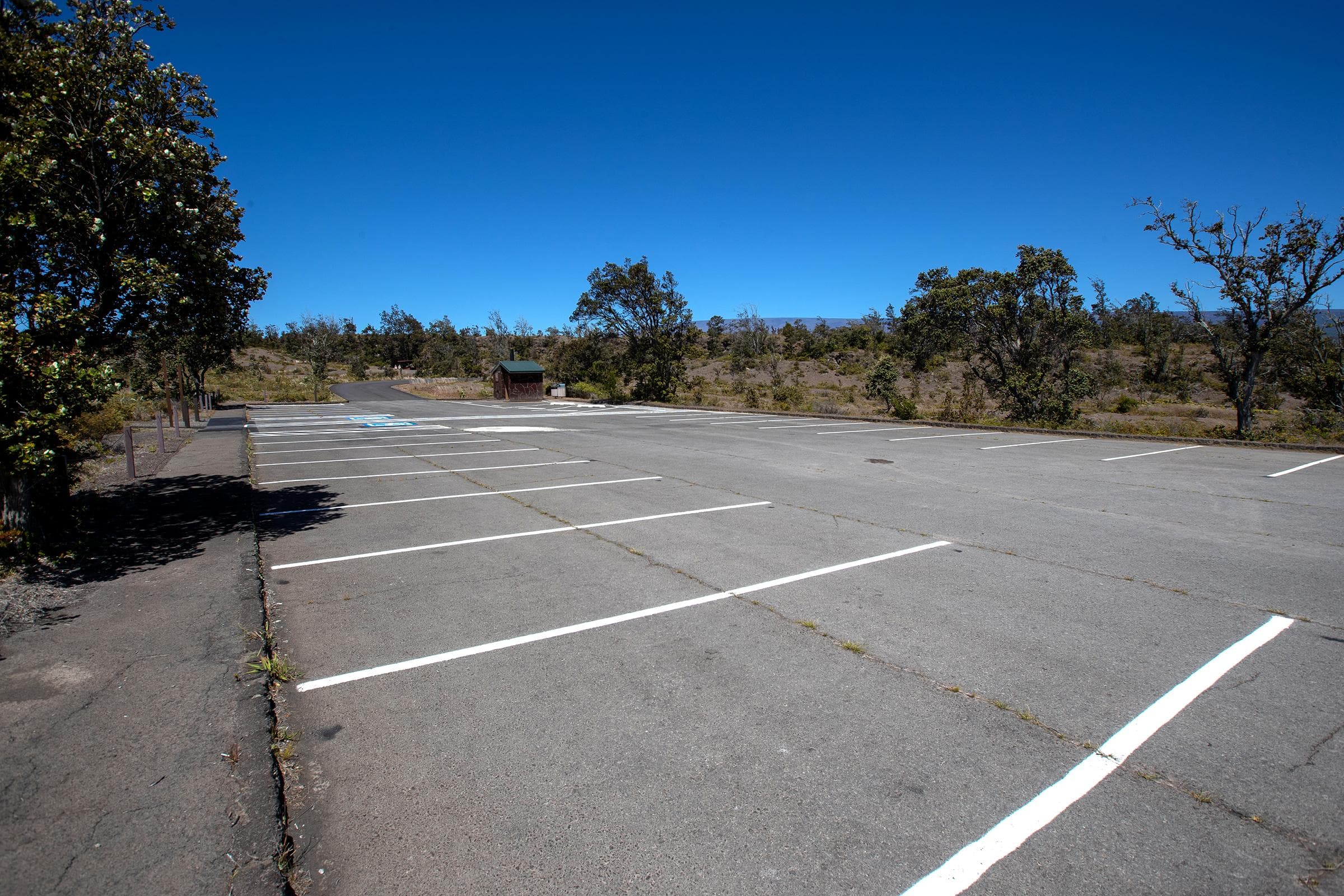
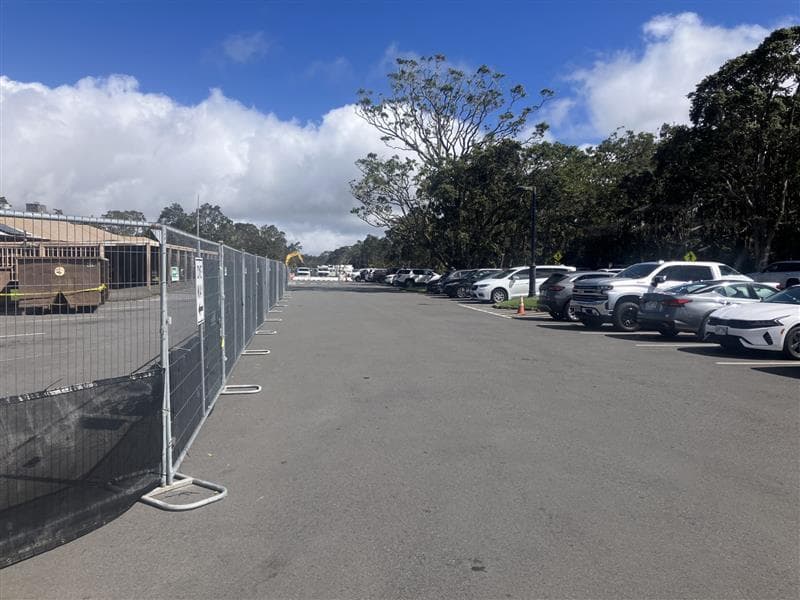
Kīlauea Visitor Center Parking
Kīlauea Visitor Center parking is used to access Volcano House hotel, Volcano Art Center Gallery, and various trails. Kīlauea Visitor Center is closed for 2 years during renovations.
Open in Maps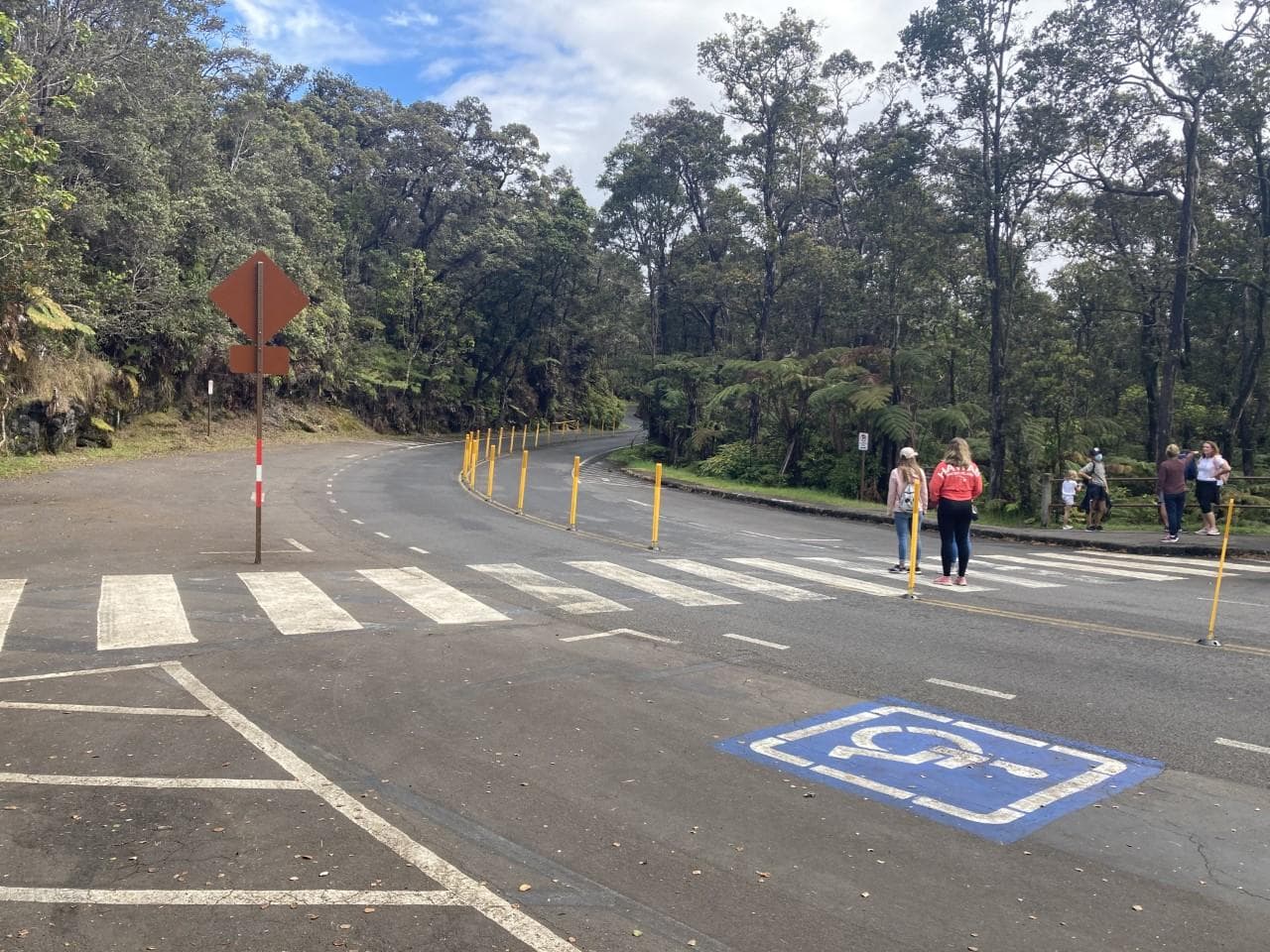
Nāhuku (Lava Tube)
Open in Maps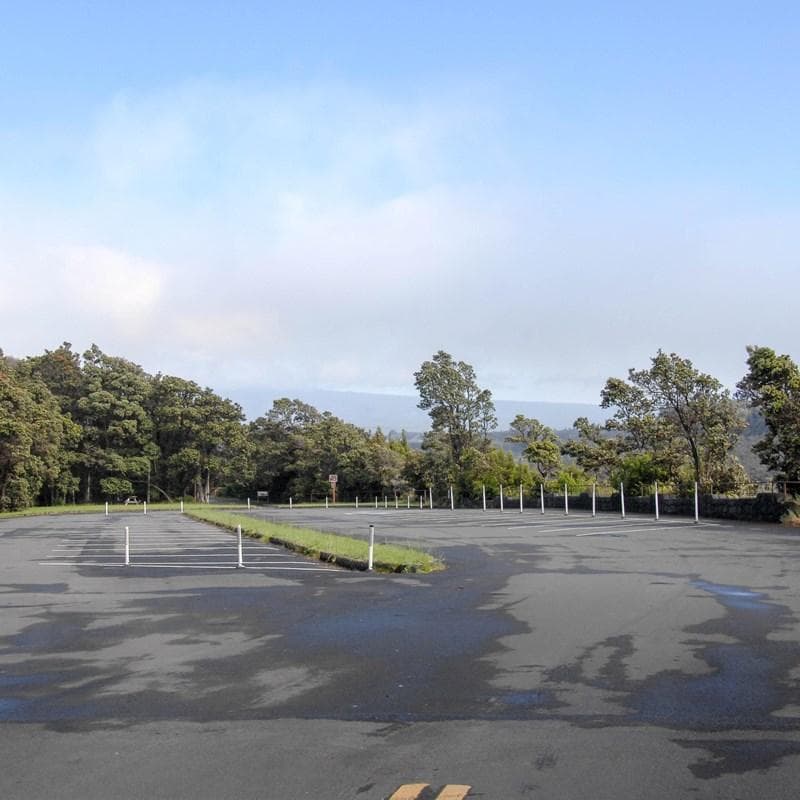
Puʻupuaʻi Parking Lot
Open in Maps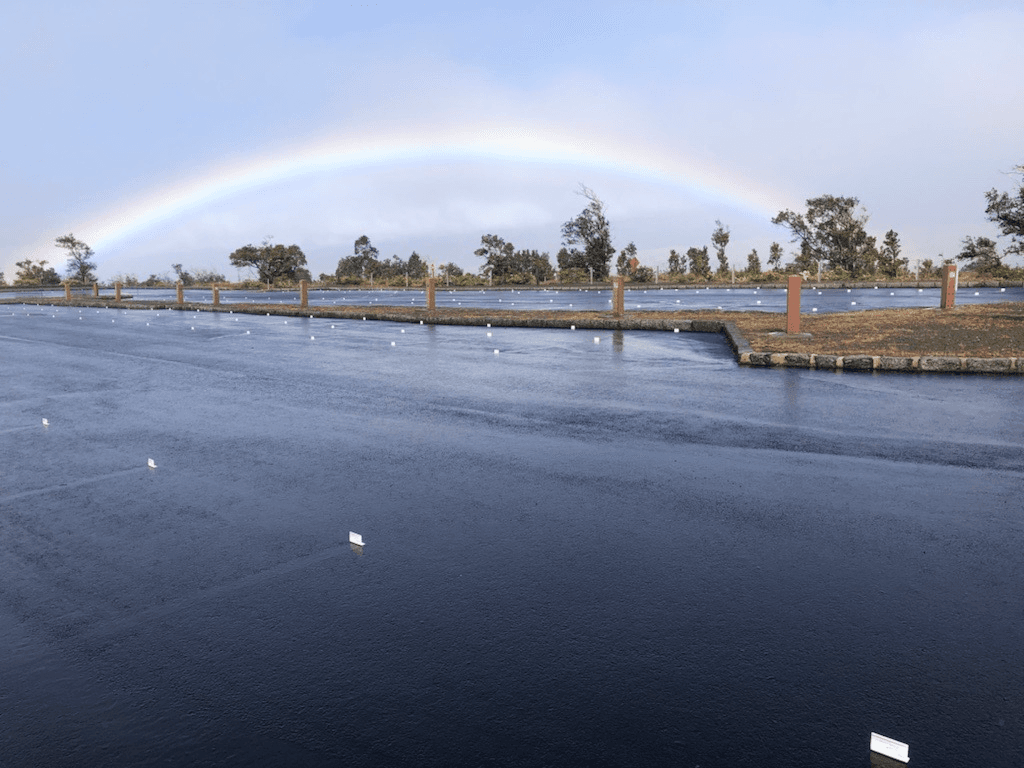
Uēkahuna Parking
Open in MapsVolcano House Parking
Open in MapsWelcome Center Parking Lot
Enter Kilauea Military Camp at its last entrance to the right. Parking lot will be located on the left in the ballfield. The Welcome Center is 900 ft. from the parking lot area.
Open in MapsGetting Here & Transit
How to Get Here
Hawai‘i Volcanoes National Park is located on the Island of Hawai‘i. From Hilo: 30 miles southwest on Highway 11 (45 minute drive); from Kailua-Kona: 96 miles southeast on Highway 11 (2 to 2.5 hour drive), or 125 miles through Waimea and Hilo via Highways 19 and 11 (2.5 to 3 hours).
Park Amenities
Permits & Reservations
Permits may be required
Some activities in Hawaiʻi Volcanoes National Park — including backcountry camping, certain trails, and climbing routes — require advance permits. Check the official NPS website for current requirements before your visit.
Entrance Fees & Passes
Standard Fees
Entrance - Private Vehicle
$30.00Private Vehicle Pass - The private vehicle pass admits the passholder and up to 14 passengers of a single, private (non-commercial) vehicle.
Entrance - Motorcycle
$25.00Valid for 7 days. Admits up to 2 private, non-commercial motorcycles with up to 4 total passengers.
Entrance - Per Person
$15.00Pedestrian/Cyclist Pass - Admits one individual bicyclist, hiker, or pedestrian visiting without a private vehicle. An individual pass is not required for visitors aged 15 and under.
Commercial Entrance - Mini-bus
$100.00The commercial entrance fee for a Road Based Guided Tour is based on vehicle seating capacity. For a 16-25 passenger vehicle the user fee is $100.
Commercial Entrance - Motor Coach
$200.00The commercial entrance fee for a Road Based Guided Tour is based on vehicle seating capacity. For a 26+ passenger vehicle the user fee is $200. Large vehicles, defined as more than 26 feet in length and/or more than eight feet wide, are only allowed to operate on Crater Rim Drive to Kilauea Visitor Center, Kūkamāhuākea (Steam Vents), and Uēkahuna. Mauna Loa Road to the Kīpukapuaulu turnabout.
Commercial Entrance - Per Person
$15.00$15 per person for Commercial Non-Road Based Guided Tours. This includes hiking more than one mile on one trail, bird watching on foot for more than one hour at one location, and/or or bicycling tours.
Operating Hours
Hawai‘i Volcanoes National Park
Hawai‘i Volcanoes National Park is open 7 days a week, 24 hours a day including holidays.
- MondayAll Day
- TuesdayAll Day
- WednesdayAll Day
- ThursdayAll Day
- FridayAll Day
- SaturdayAll Day
- SundayAll Day
Live Webcams
Click any camera to open the live feed on the NPS website.
Puʻuʻōʻō Southeast Coast
This image is from a research camera positioned on the southeast flank of Puʻuʻōʻō, looking toward the southeast. Disclaimer: The webcams are operational 24/7 and faithfully record the dark of night if there are no sources of incandescence or other lights. Thermal webcams record heat rather than light and get better views through volcanic gas. At times, clouds and rain obscure visibility. The cameras are subject to sporadic breakdown and may not be repaired immediately. Some cameras are observing an area that is off-limits to the general public because of significant volcanic hazards.
Current Conditions of Kīlauea Summit Eruption
View the webcam to see the state of the current eruption up-close. Camera location is off-limits to the general public because of significant volcanic hazards. Scroll down for all available webcams.
Live view of the upper Southwest Rift Zone of Kīlauea
Live view of the upper Southwest Rift Zone of Kīlauea, view is to the southwest - temporary webcam image showing the site of the eruption that started on June 3, 2024. Disclaimer: The webcams are operational 24/7 and faithfully record the dark of night if there are no sources of incandescence or other lights. Thermal webcams record heat rather than light and get better views through volcanic gas. At times, clouds and rain obscure visibility. The cameras are subject to sporadic breakdown, and may not be repaired immediately. Some cameras are observing an area that is off-limits to the general public because of significant volcanic hazards.
Live Image of Kaluapele (Kīlauea caldera) from Uēkahuna bluff
This image is from a research camera on the bluff at Uēkahuna, overlooking the summit caldera of Kīlauea. This camera is a pan-tilt-zoom model and the view may change depending on activity.
View of Halemaʻumaʻu crater at the summit of Kīlauea, view is to the west
Live view of Halemaʻumaʻu crater at the summit of Kīlauea; camera is positioned on the south rim and the view is to the west [S2cam]. Courtesy of USGS Hawaiian Volcano Observatory. Note: this view is not from a publicly accessible area.
Kīlauea Summit from Mauna Loa Strip Road- [KPcam]
View from Mauna Loa Strip Road looking at the Kīlauea summit to document volcanic eruption plumes.
Mauna Loa's Summit and Northeast Rift Zone from Mauna Kea [MKcam]
Live Image of Mauna Loa's Summit and Northeast Rift Zone from Mauna Kea [MKcam]. Courtesy USGS Hawaiian Volcano Observatory
Maunaulu Cam [MUcam]
Live Panorama of Maunaulu Cam from [MUcam]. Courtesy of USGS Hawaiian Volcano Observatory.
Photos
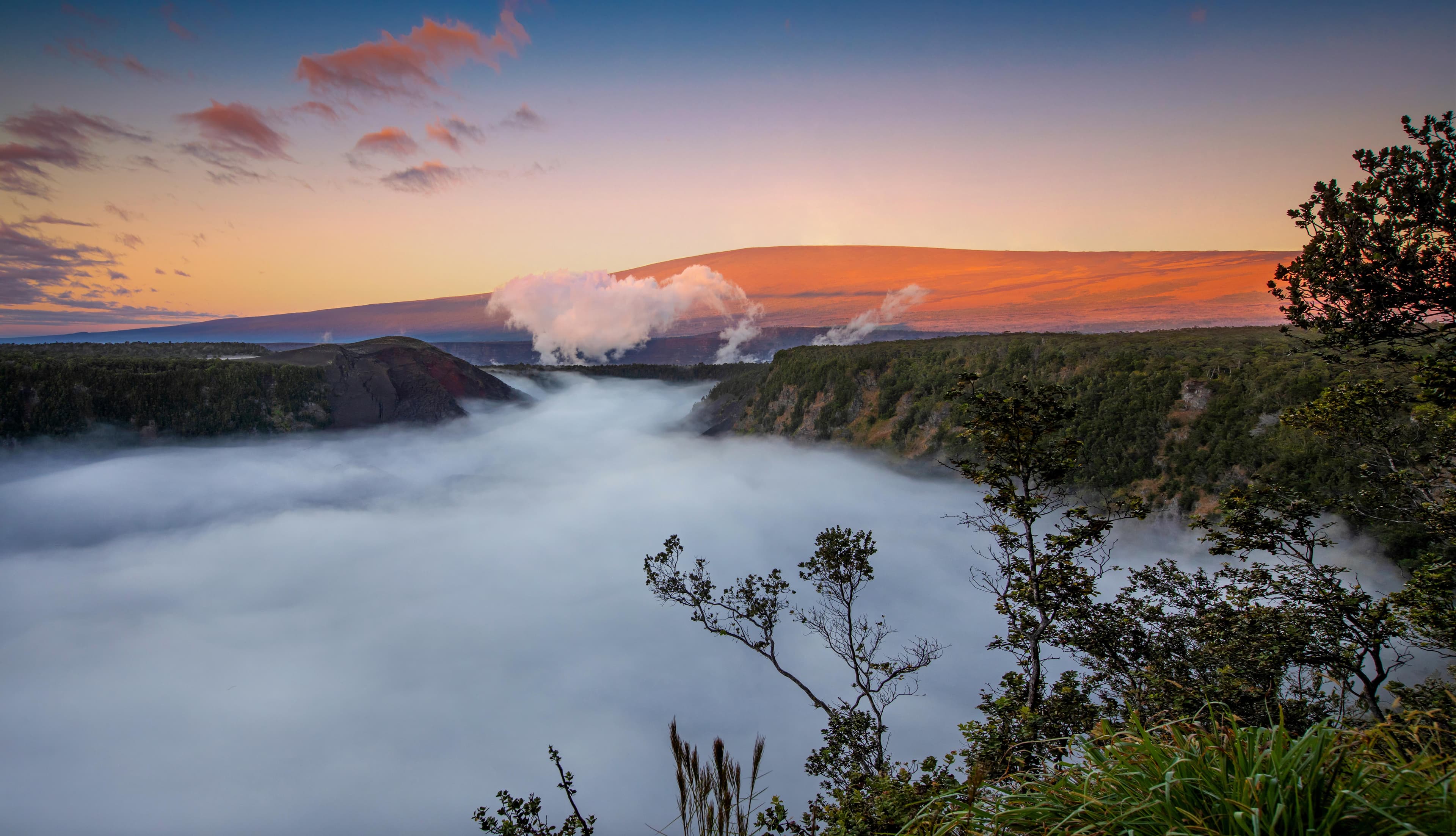
A cloud-filled volcanic crater at sunrise with a mountain rising behind
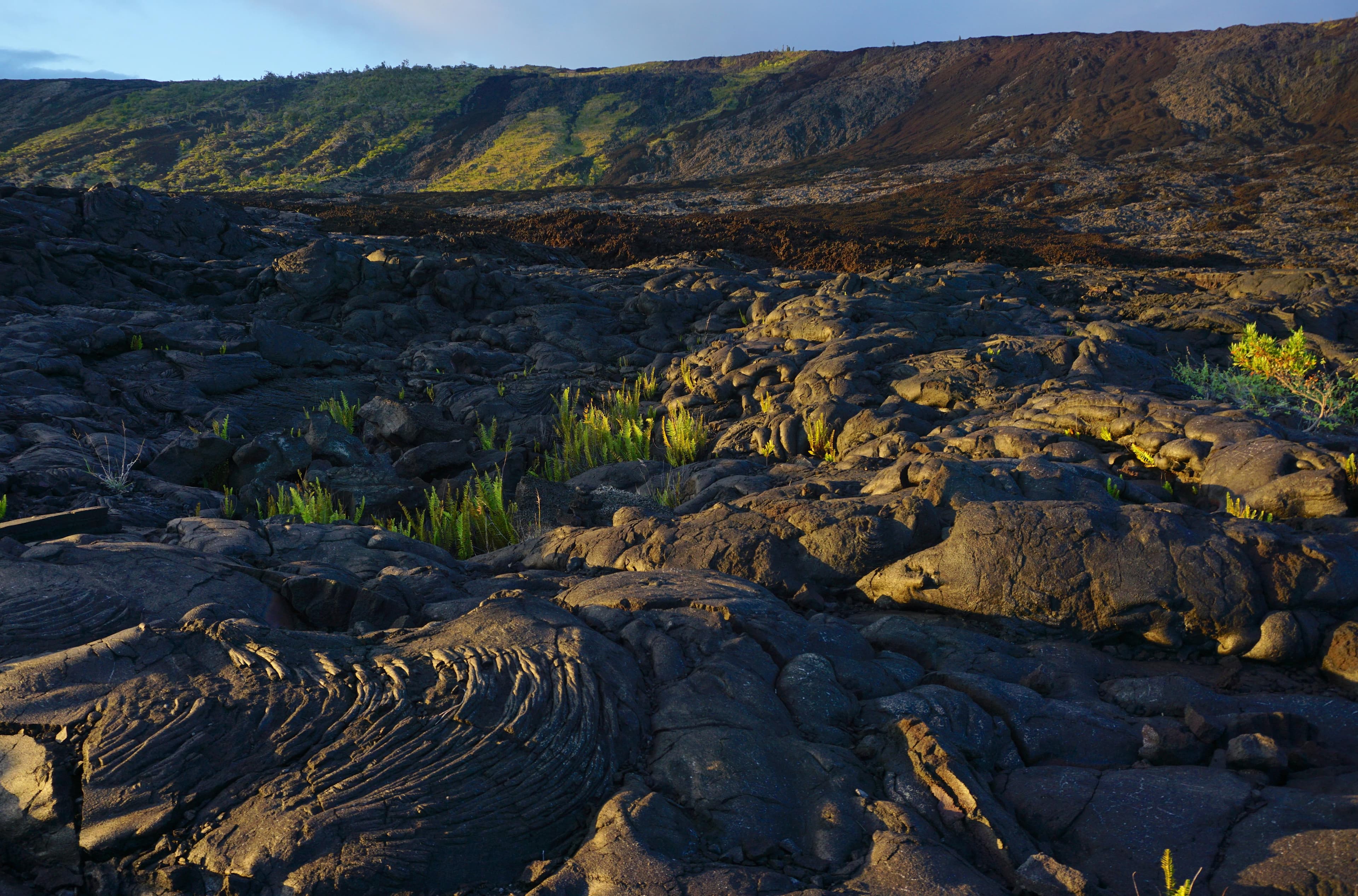
Lava flows and ferns in front of a cliff at sunset
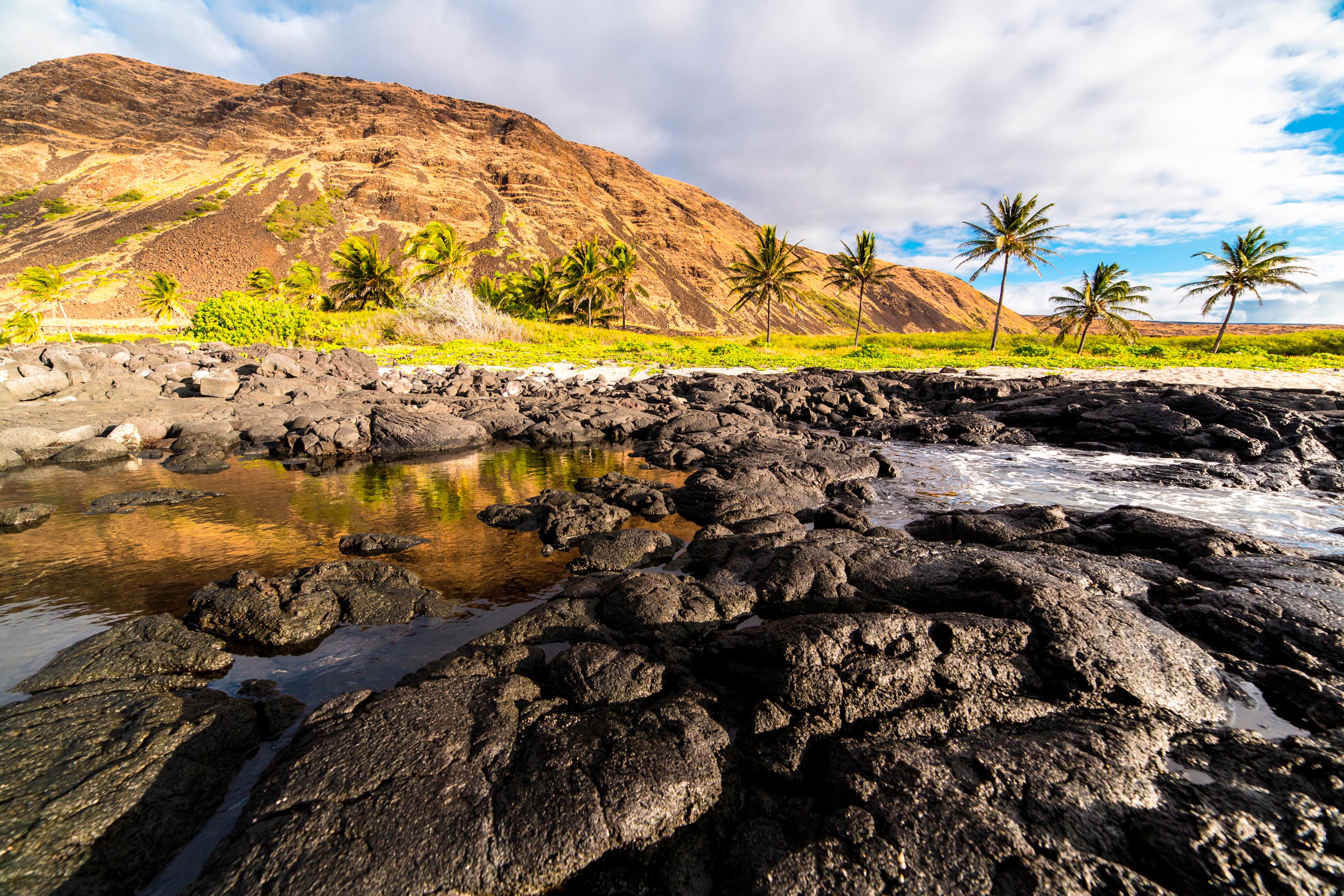
Rocky coastline with palm trees and a cliff beyon
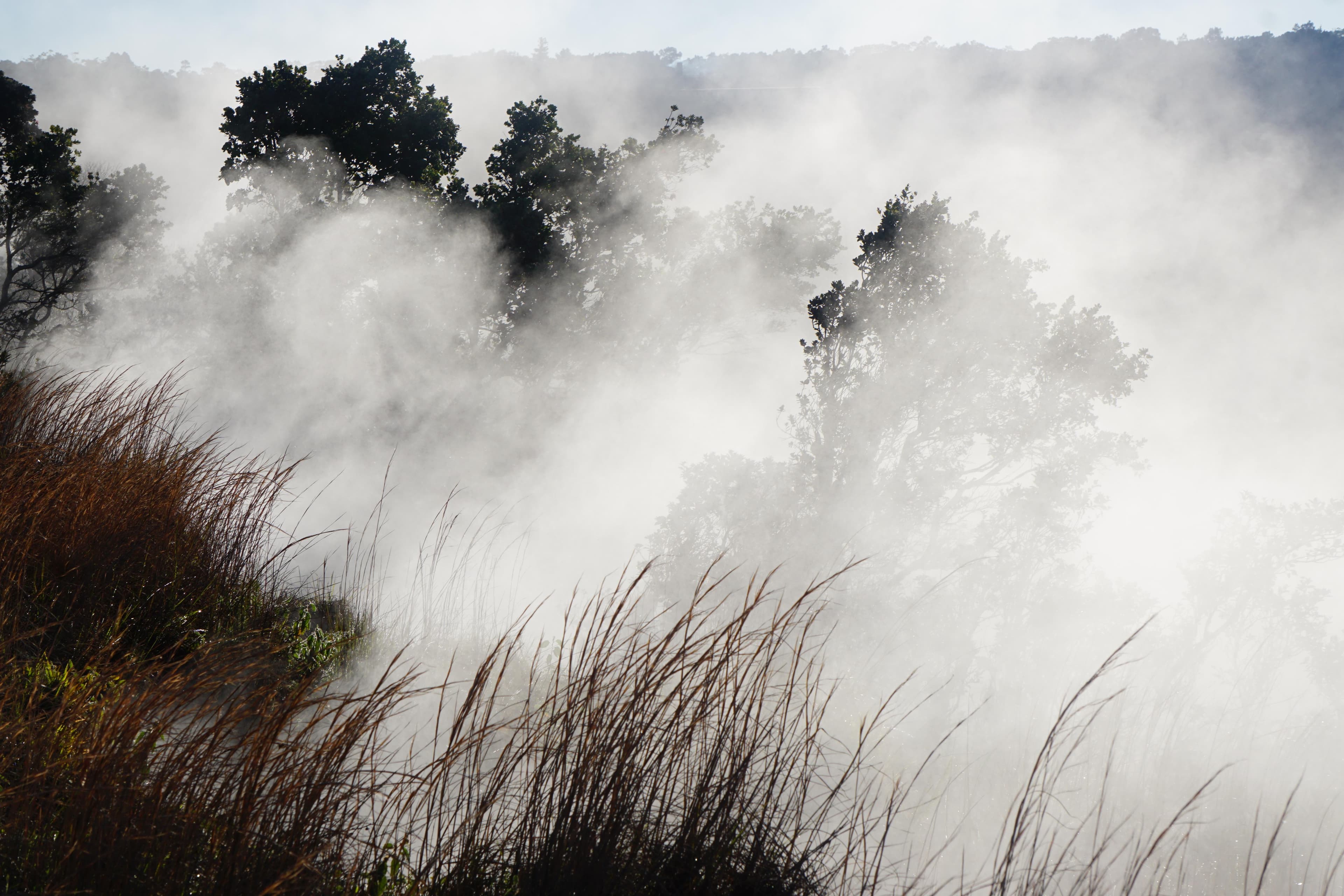
Trees and tall grass through steam at sunrise
When to Go
Crowd CalendarPlan your trip around peak seasons to avoid crowds or embrace the energy of the busy months. Our crowd predictions are based on historical NPS Visitor Use Statistics.
Jan
Feb
Mar
Apr
May
Jun
Jul
Aug
Sep
Oct
Nov
Dec
Build your Hawaiʻi Volcanoes itinerary
Tell Miza your dates, pace, and interests—get a day-by-day plan with hikes, drives, and must-see stops.
Best Time
Year-round
Trip Length
2-4 days
Searching for the best hotel deals near Hawaiʻi Volcanoes National Park...
Planning Hawaiʻi Volcanoes
These common questions go deeper into logistics and planning. For real-time updates on road closures and current conditions, always check the Alerts section above.