
Entrance Fee
$35.00
/ Entrance - Private Vehicle
Park Hours (Today)
All Day
St. Mary Visitor Center: 8:00AM - 5:30PM
Miza AI
Plan your Glacier trip
About the Park
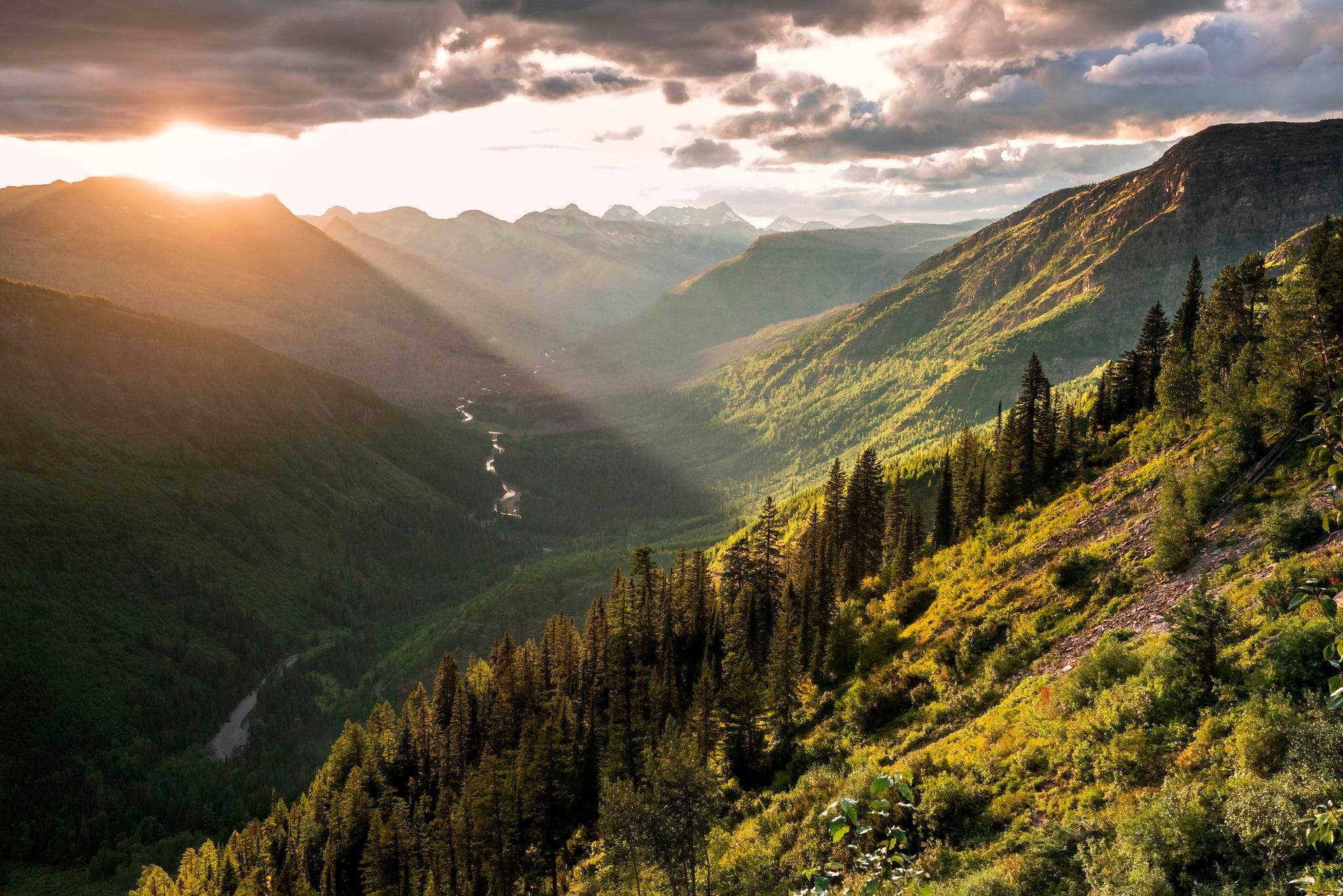
A showcase of melting glaciers, alpine meadows, carved valleys, and spectacular lakes. With over 700 miles of trails, Glacier is a paradise for adventurous visitors seeking a landscape steeped in human culture. Relive the days of old through historic chalets, lodges, and the famous Going-to-the-Sun Road.

Ready to explore Glacier National Park?
Take the stress out of planning. Our AI will automatically sequence your stops, find the best hotels, and optimize your driving time in seconds.
What to See & Do
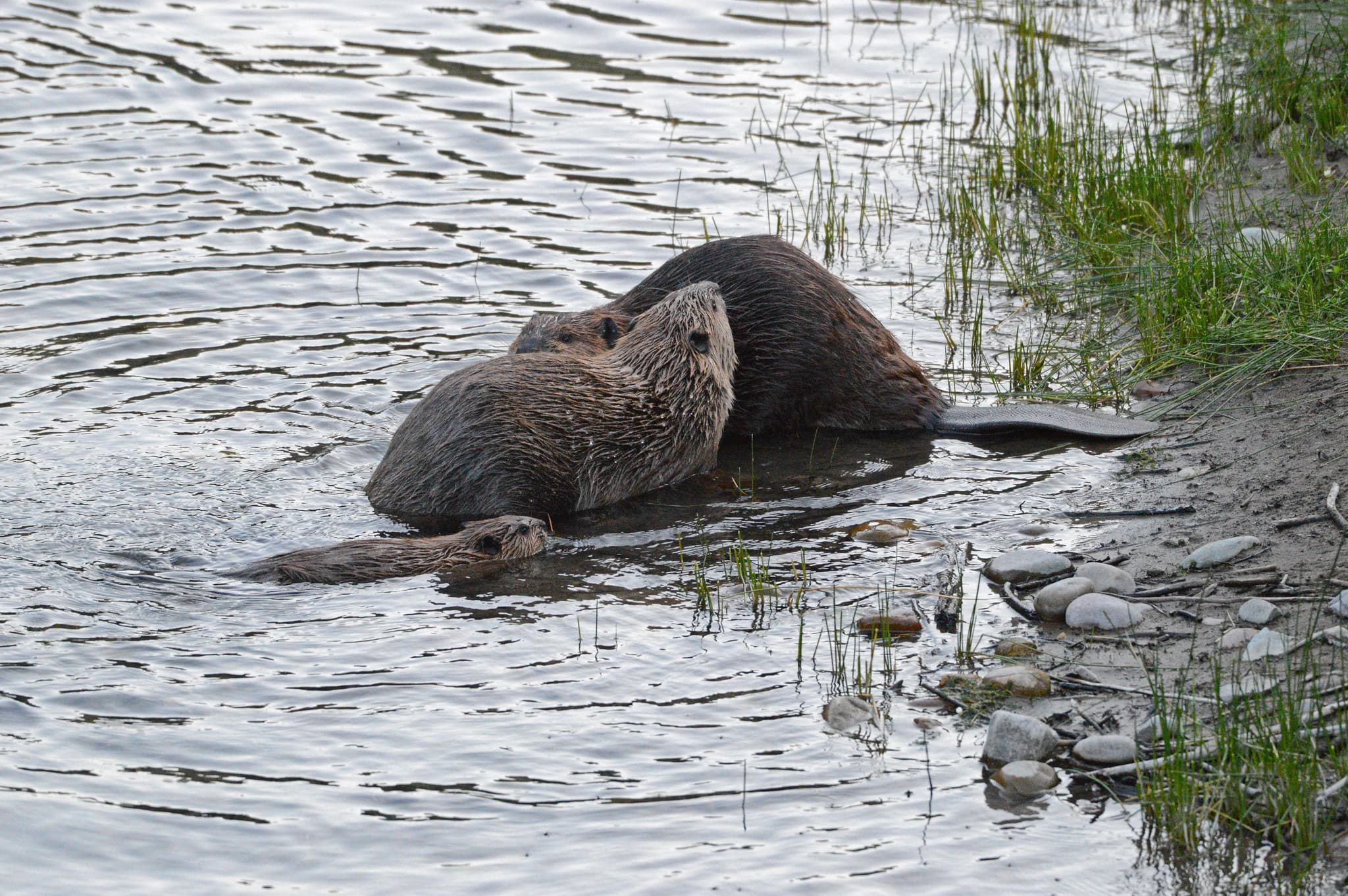
Beavers
The North American beaver is the second largest rodent in the world behind the Capybara of South America. Found throughout the U.S. and Canada, these semiaquatic ecosystem engineers constuct dams and lodges that affect the hydrology and ecology of their surroundings. As a keystone species, their presence in riparian habitats affects all neighboring animal and plant life.
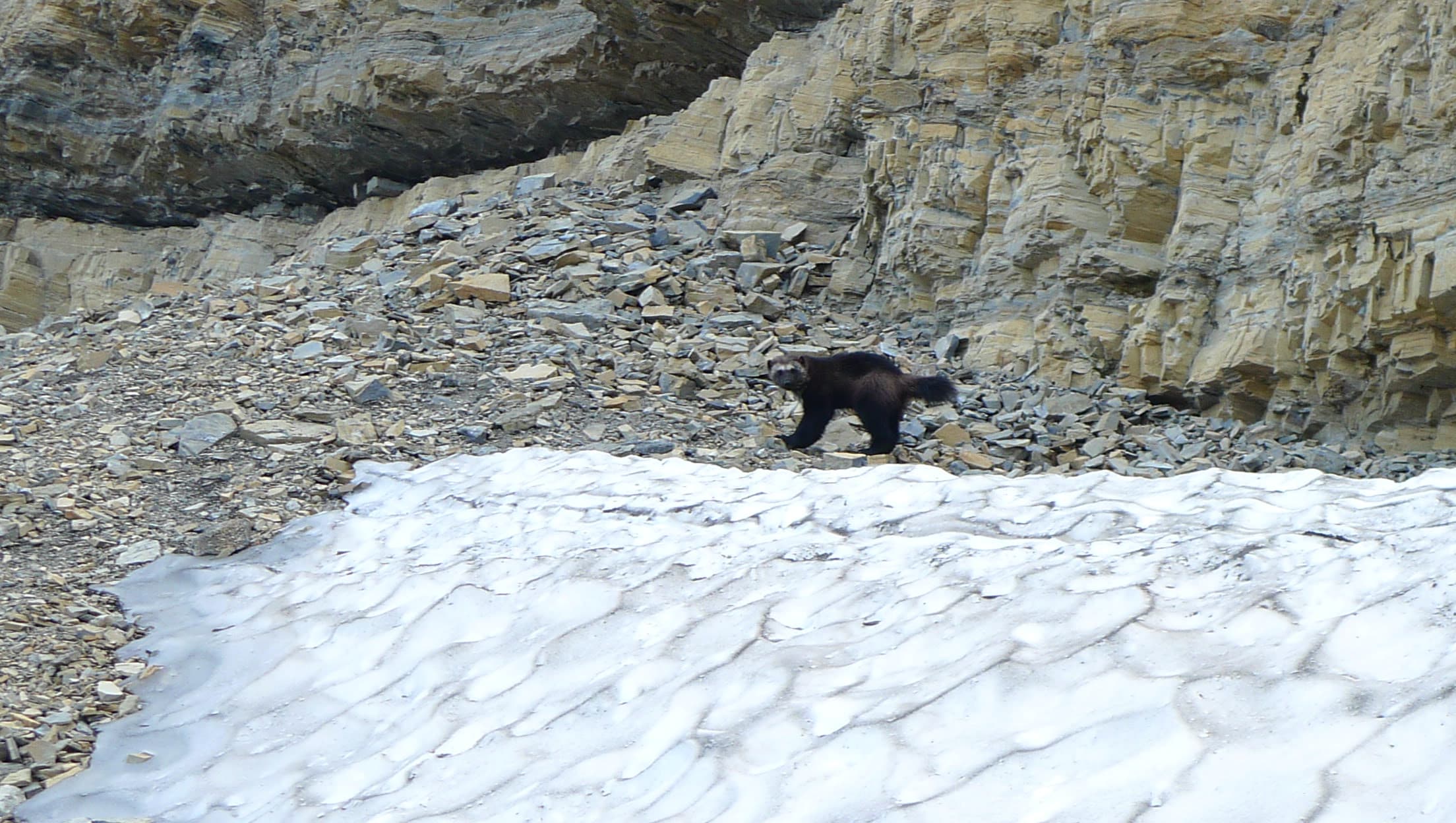
Wolverines
A mid-sized carnivore in the weasel family, the wolverine is active throughout the year in cold, snowy environments to which it is well-adapted. Wolverines are rarely seen and inhabit remote terrain. They are also known as one of the rarest and most elusive carnivores on the planet.
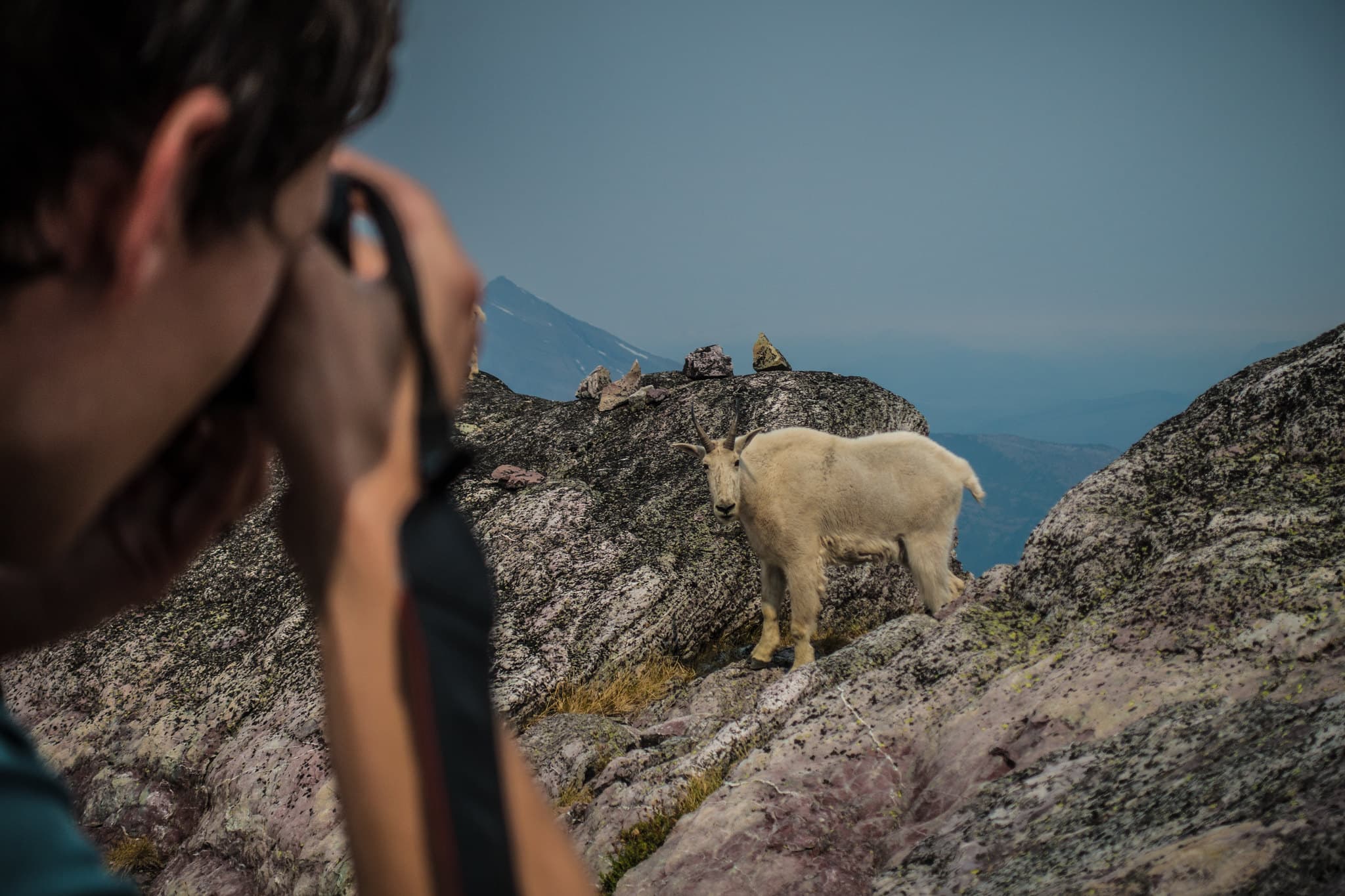
Mountain Goats
The mountain goat is one of the park's most inconic creatures. It is the only living member of its genus and is more closely related to caprines (the chamois of Europe and the gorals and serows of Asia) than to domesticated goats.
Listen to Glacier's Podcast
Rangers recommend Glacier's podcast, Headwaters: a podcast about how Glacier is connected to everything else!
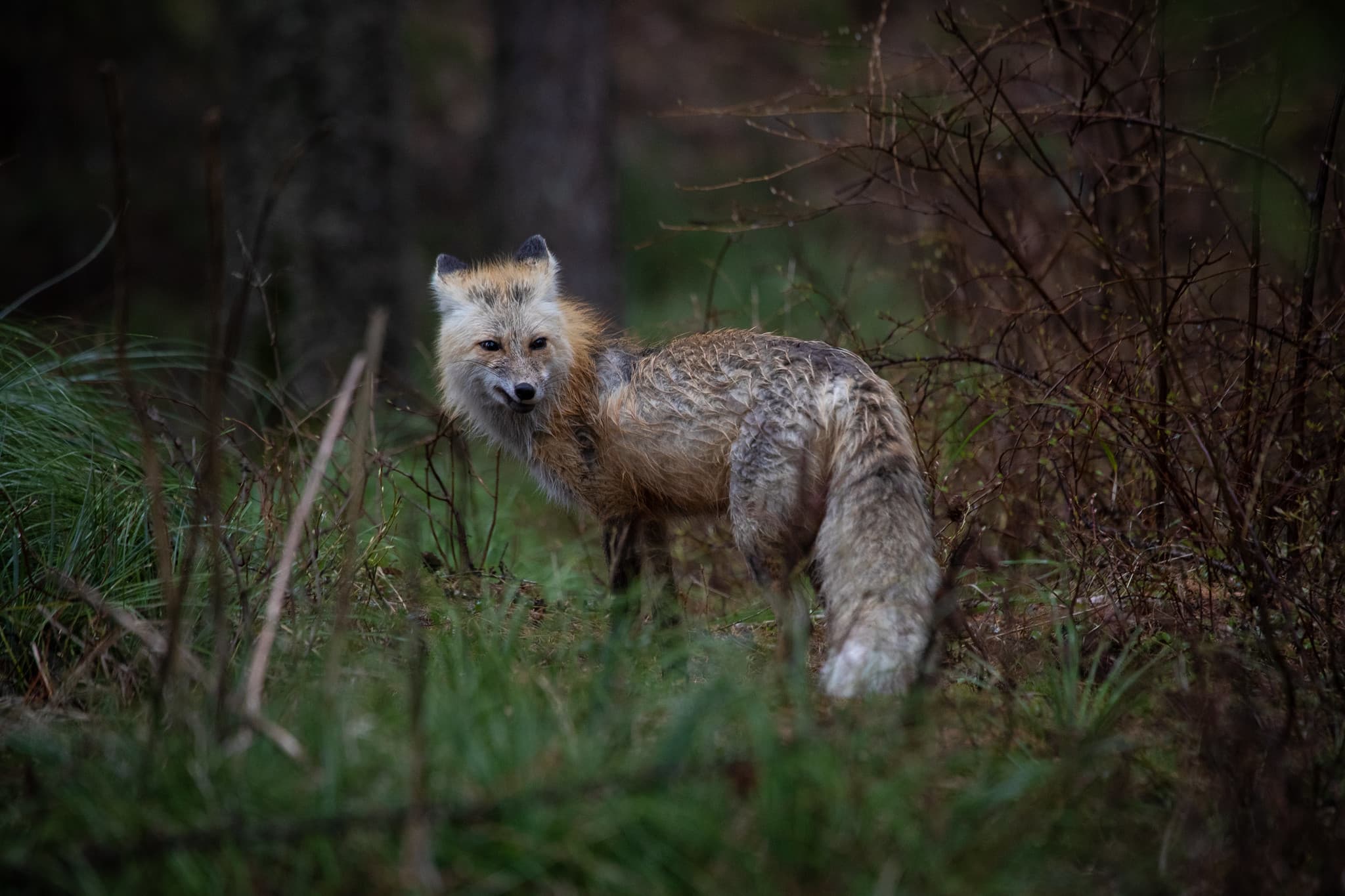
Red Foxes
Red foxes are found throughout the northern hemisphere. In Glacier, they are adapted to a wide range of habitats, from open grasslands to dense forests. Most abundant in riparian areas and along the edges of forests, they are the smallest of the canids found in the park. Red foxes occur in several color phases, but they usually have reddish-yellow coats that are somewhat darker on the back and shoulders, black "socks" on their lower legs, and a white-tipped tail.
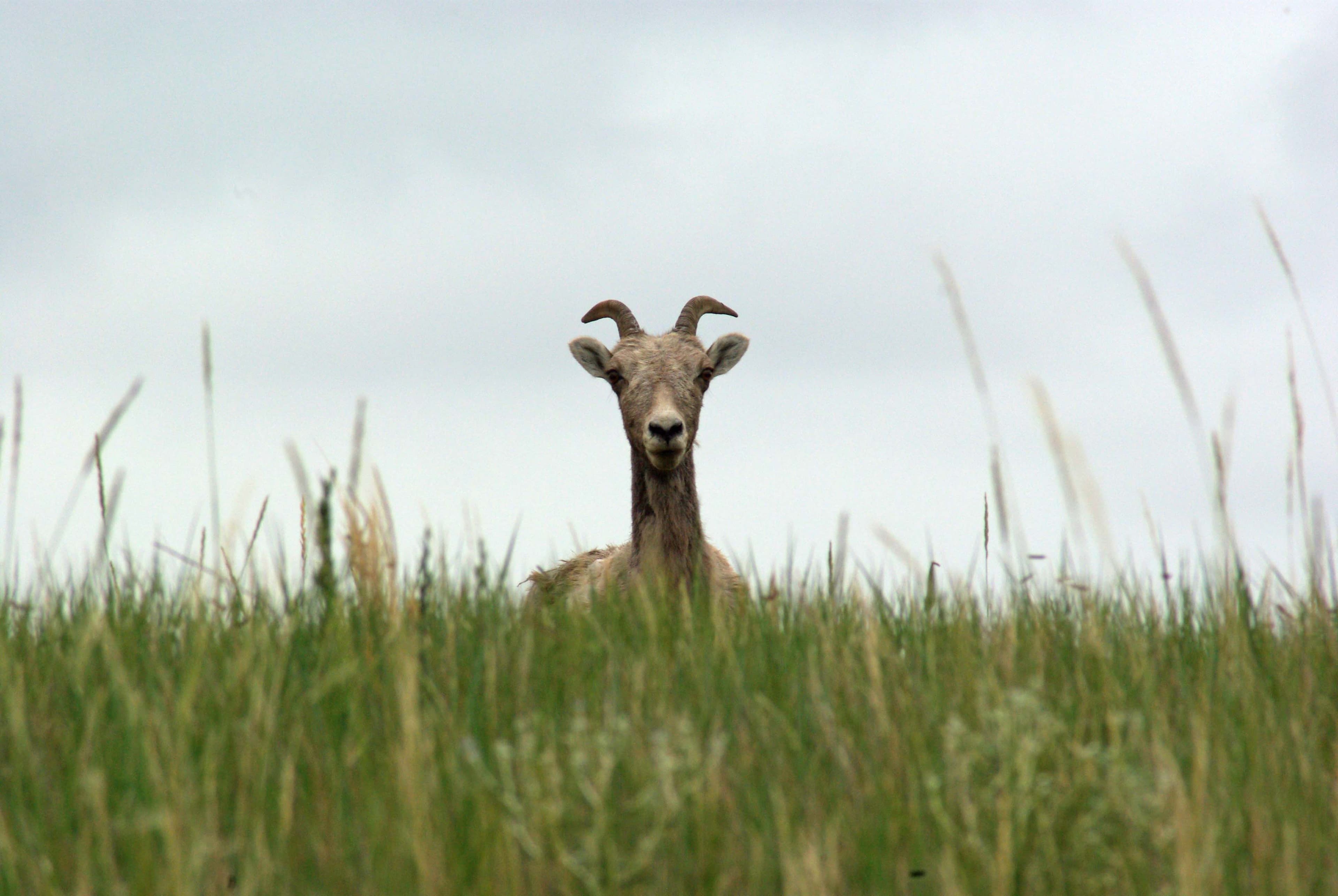
Bighorn Sheep
Bighorn sheep live in a variety of habitats throughout the year. During the summer, they can be found in meadows, fellfields, and on mid-elevation slopes bordered by cliffs and ledges. In the winter, sheep frequent windswept and south-facing valleys and ridges where forage is blown free of snow. Bighorn sheep can often be seen in the parking lot of Logan Pass licking antifreeze from the pavement, which is the most easily accessible source of salt in their diet.
Self-Guided Tours
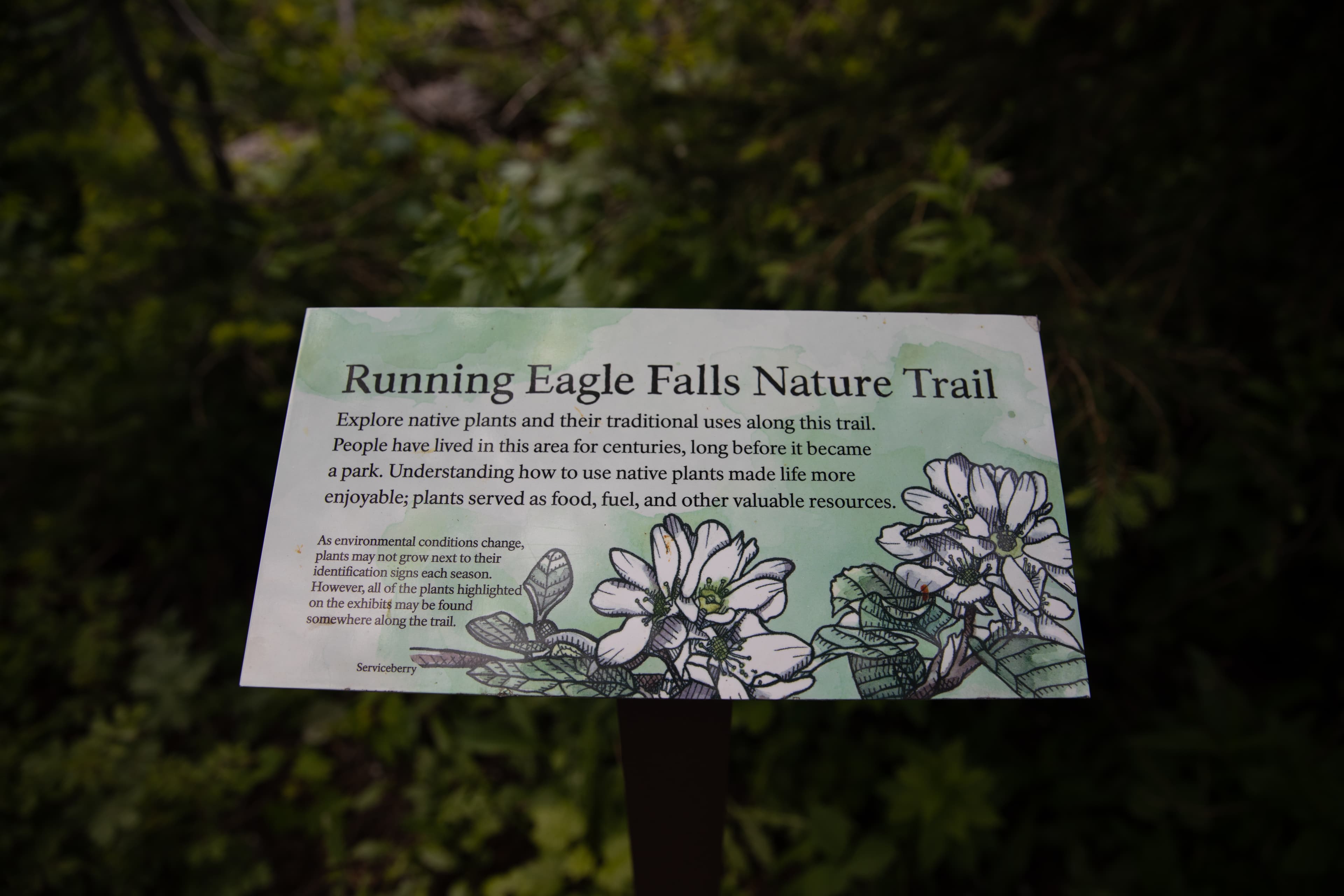
Running Eagle Falls Nature Trail: Accessible Family-Friendly Walking Tour in Two Medicine
In this accessible and family-friendly short walking tour, explore native plants and their traditional uses along this trail. People have lived in this area for centuries, long before it became a park. Understanding how to use native plants made life more enjoyable; plants served as food, fuel, and other valuable resources. This area offers restrooms and accessible hiking opportunities to the Running Eagle Falls and along the Running Eagle Falls Nature Trail.
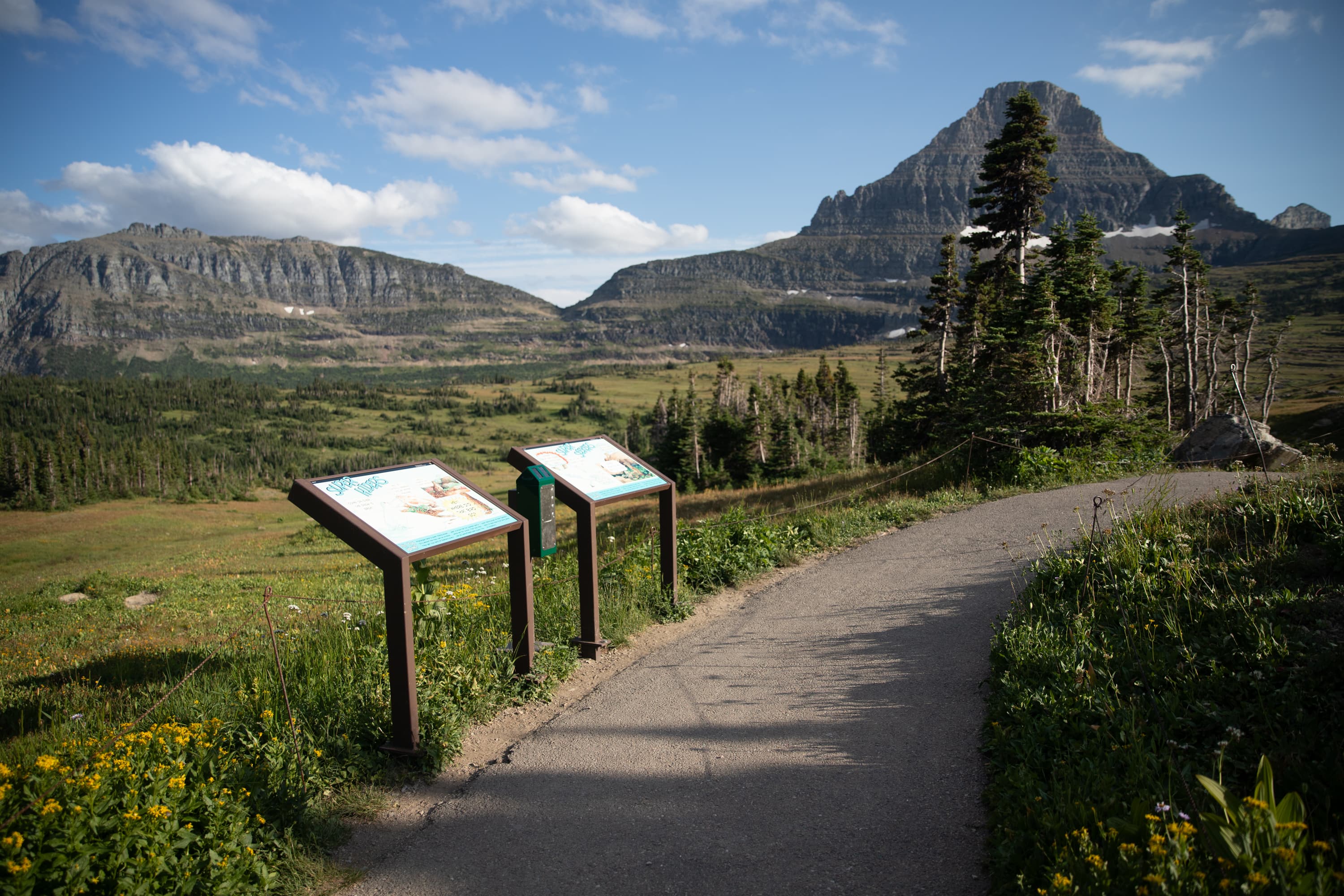
Wildlife Superpowers: Family-Friendly Walking Tour at Logan Pass
In this family-friendly short walking tour, learn about the subalpine ecosystem of Logan Pass that is home to creatures with amazing abilities. They require special adaptations to survive at this elevation. It's almost like these animals have developed super powers. Let the exhibits outside Logan Pass Visitor Center teach you about how these animals live and how climate change may be making it more and more difficult for them.
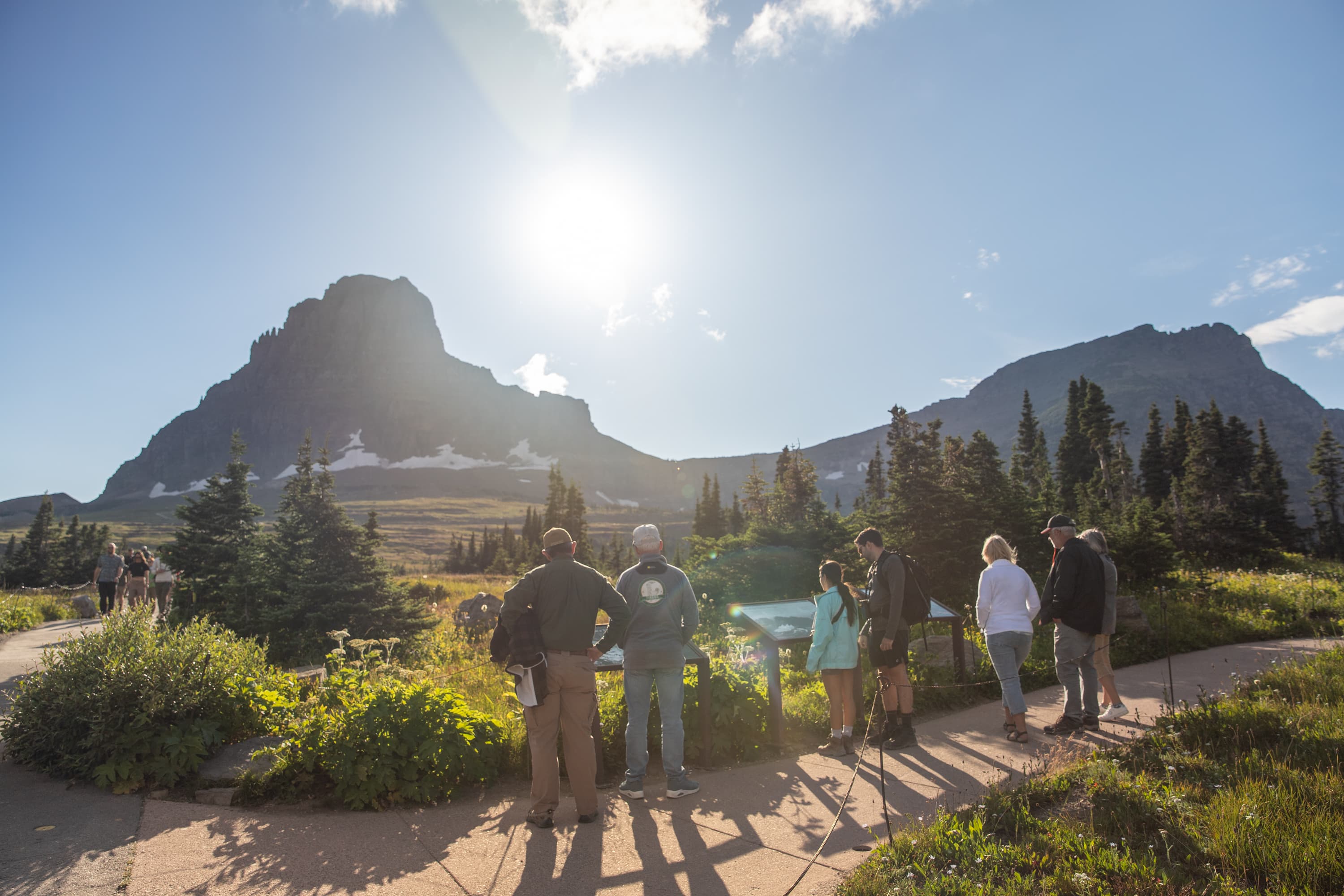
Climate & History: A short walking tour at Logan Pass
This is a short walking tour of six exhibits at Logan Pass. Each exhibit uses an historic black and white picture to illustrate a different aspect of Glacier's changing climate. All of the exhibits are near the back of the Logan Pass Visitor Center and are accessible via wheelchair.
Visitor Centers
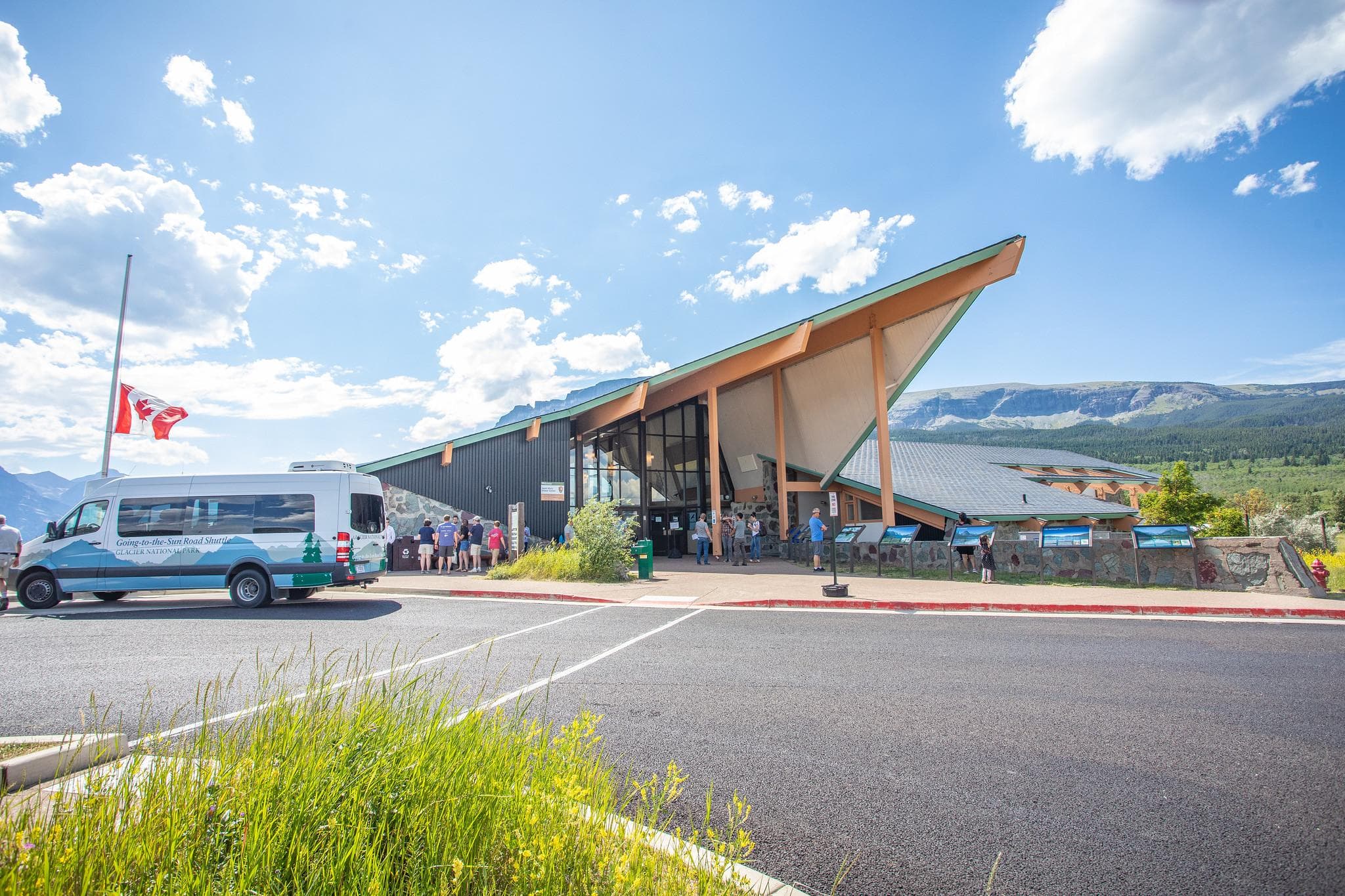
St. Mary Visitor Center
The St. Mary Visitor Center is located just inside the east entrance of the park near the community of St. Mary, Montana. Rangers are on duty inside to assist with trip planning. A park film is shown throughout the day. Exhibits highlight the rich Native American history associated with Glacier National Park.
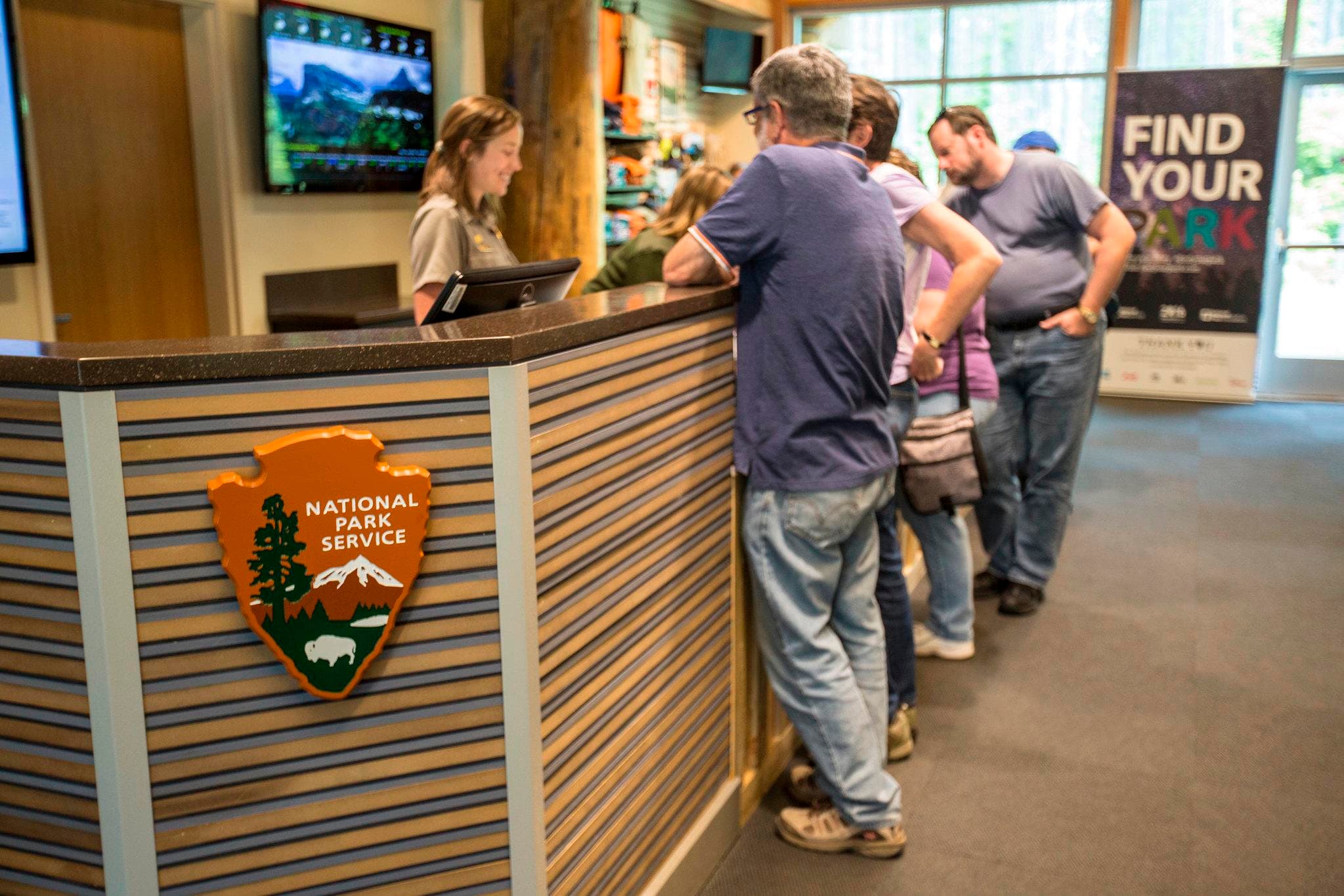
Apgar Visitor Center
Apgar Visitor Center is located 2 miles east of the West Glacier entrance to the park. Rangers are on duty to assist with trip planning. The visitor center is the hub for the park's shuttle system on the west side of the park.
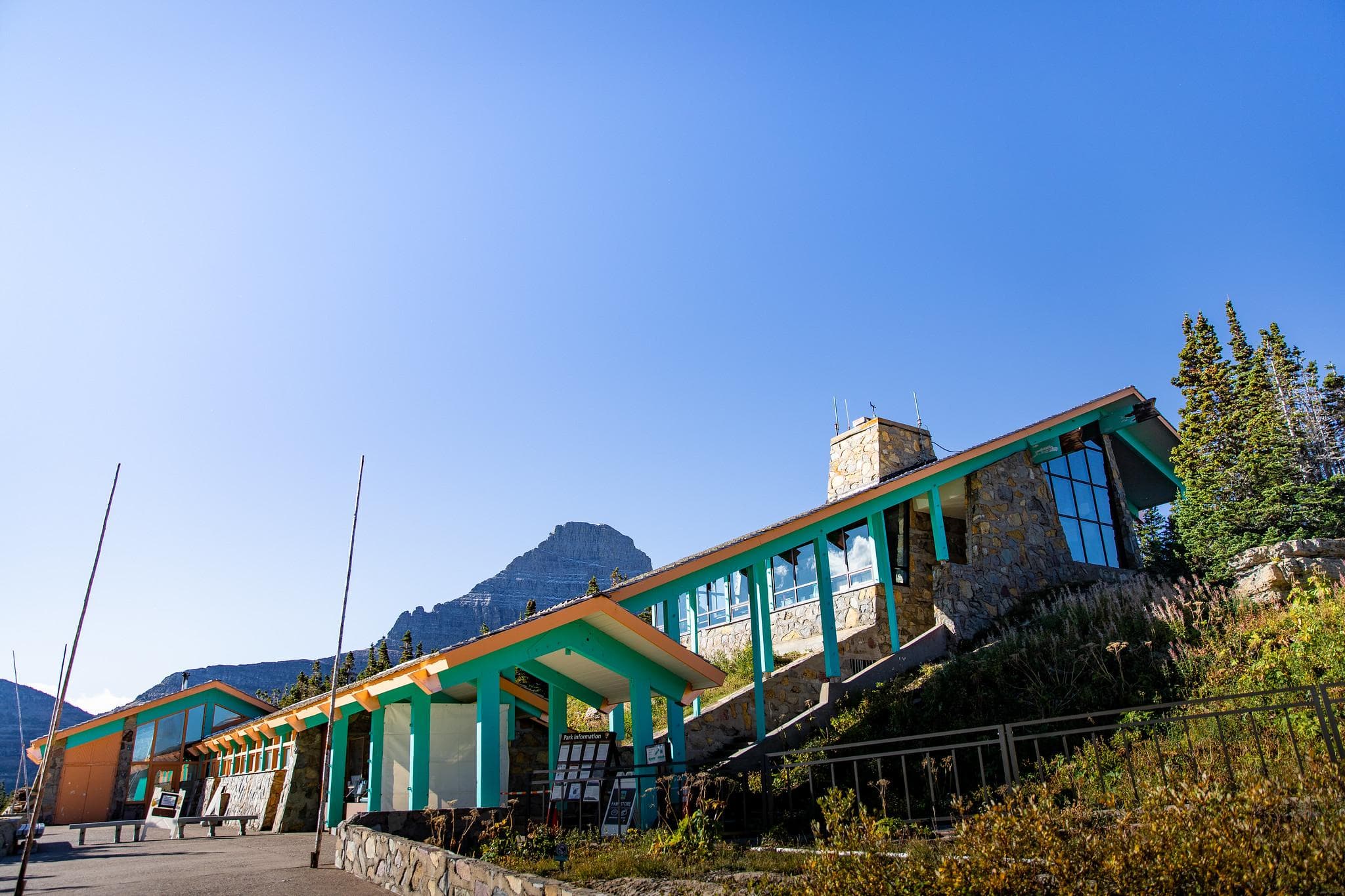
Logan Pass Visitor Center
The Logan Pass Visitor Center sits atop the Continental Divide at 6,646 feet. The visitor center houses exhibits on the plants and animals found in the sub-alpine region of the park. Numerous exhibits outside the visitor center tell the story of geology, climate change, and life in the harsh alpine world above treeline. Logan Pass is perhaps the most crowded location in the park with the parking lot filling to capacity early in the morning.
Where to Stay
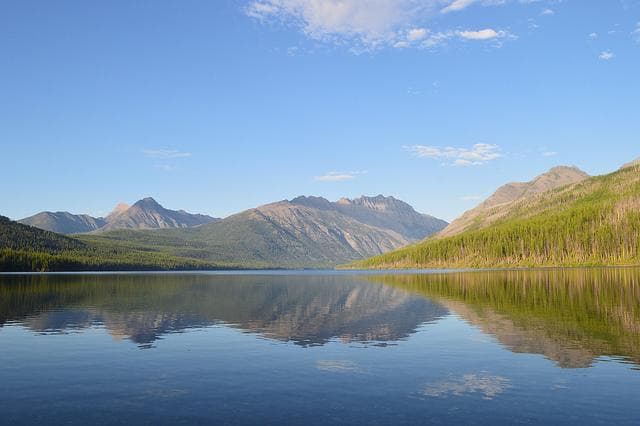
Kintla Lake Campground
Kintla Lake Campground is Glacier National Park's most remote frontcountry and car camping campground. It is located in the uppermost northwest section of the park known as the North Fork, approximately 40 miles from the west entrance. Access is via a rough dirt road. Trailers not permitted. Due to its remote location, the campground is very quiet and rarely fills, offering tent campers a sense of solitude. The campground sits on Kintla Lake.
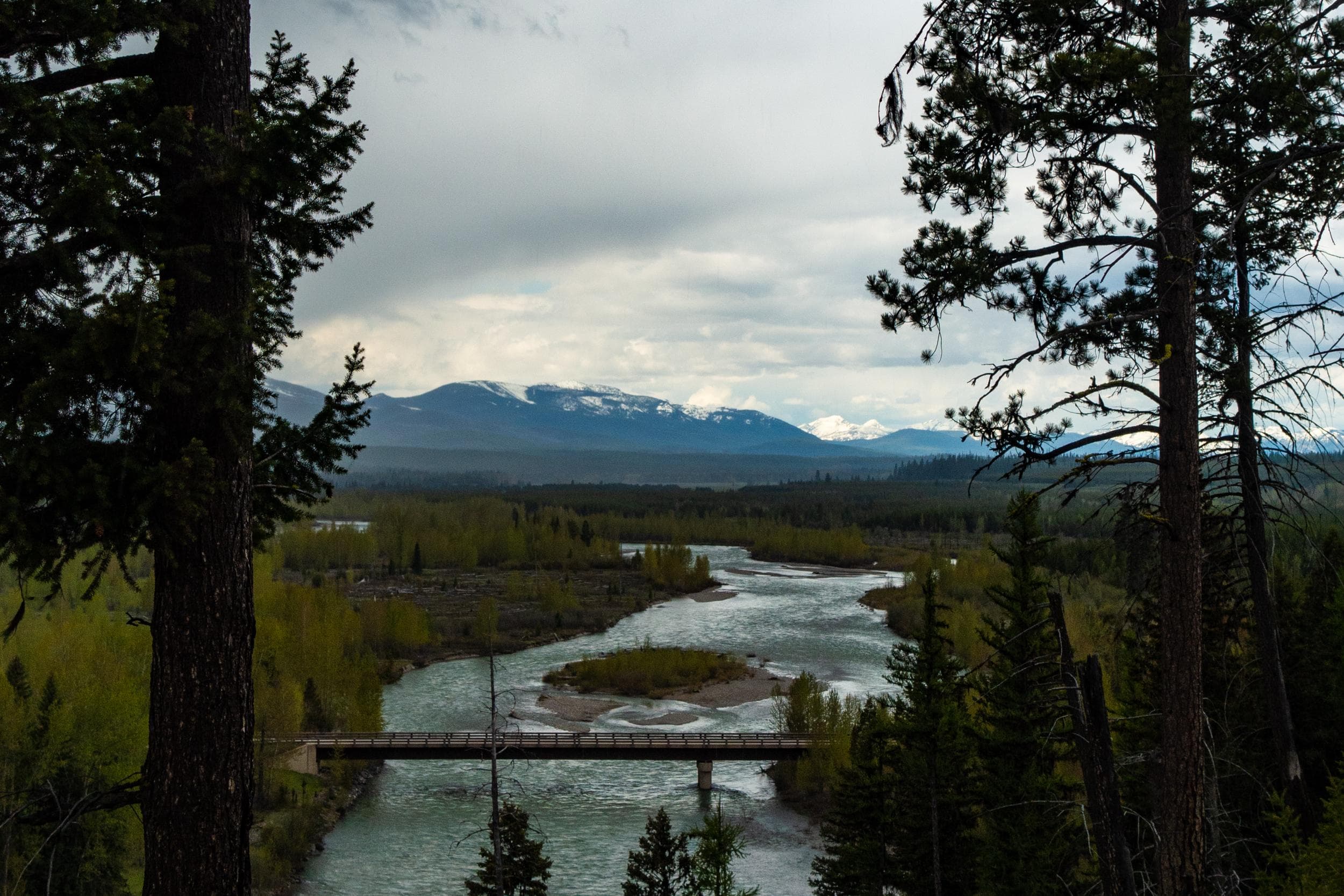
Logging Creek Campground
The Logging Creek Campground is one of the smaller campgrounds in Glacier and is located on the west side of the park, south of Polebridge. Access is via the Inside North Fork Road, a dusty narrow winding road. Caution is advised when traveling this road. RVs and trailers are not permitted. Once there, campers will find a small primitive campground with all the solitude one could want. The trailhead to Logging Lake is nearby and the easy hike to the lake is a great family day hike.
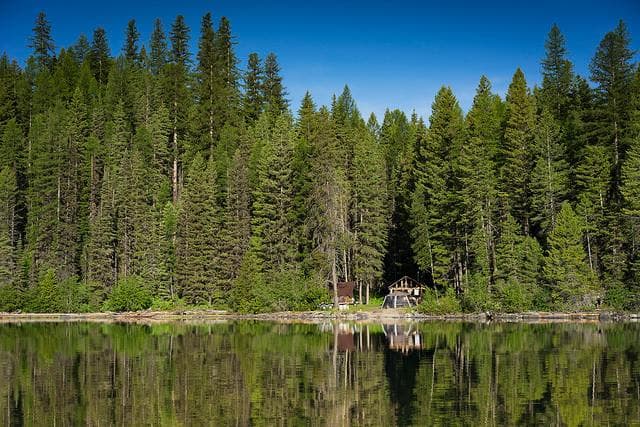
Quartz Creek Campground
Quartz Creek Campground is the smallest campground in Glacier National Park and remains in primitive status all season. It is located on the west side of the park in the North Fork area and is accessed by the Inside North Fork Road, a rough, dusty, dirt road with many blind curves and few pullouts. Trailers are not permitted. Tent campers will enjoy a wilderness experience at the campground.
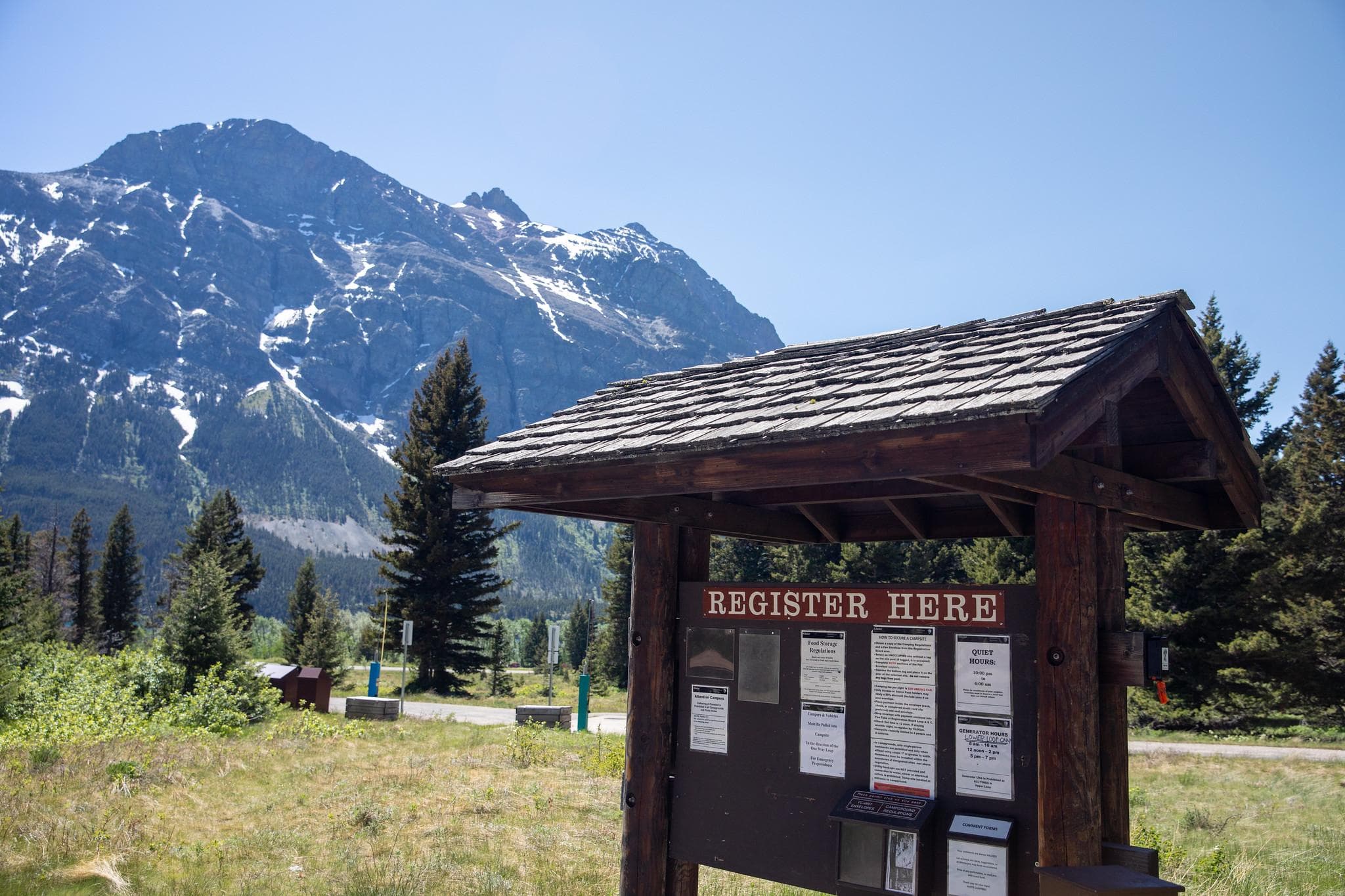
Rising Sun Campground
Rising Sun Campground is located just west of St. Mary and halfway along St. Mary Lake. Campers at Rising Sun will enjoy beautiful sunrises in the morning with Red Eagle Mountain as a backdrop, and the campground serves as a convenient base camp to many day hikes located east of Logan Pass. Some sites are open, allowing for cool breezes throughout the day, while others are located among trees, accommodating those seeking some shade and privacy.
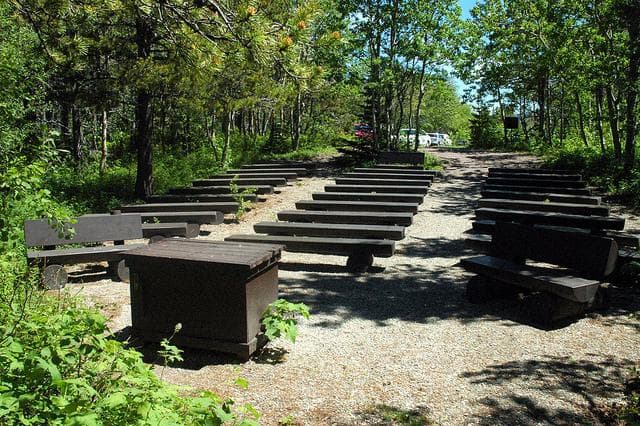
Many Glacier Campground
The campground at Many Glacier is one of the most popular campgrounds in Glacier National Park. The campground is situated within trees for tent and RV campers, though there are only 13 sites that can accommodate vehicles up to 35 feet in length. Bring your binoculars, as there are opportunities to view wildlife like bighorn sheep, moose, and bears. Many Glacier also provides access to some of the best day hikes in the park. Advanced reservations are required for all sites.
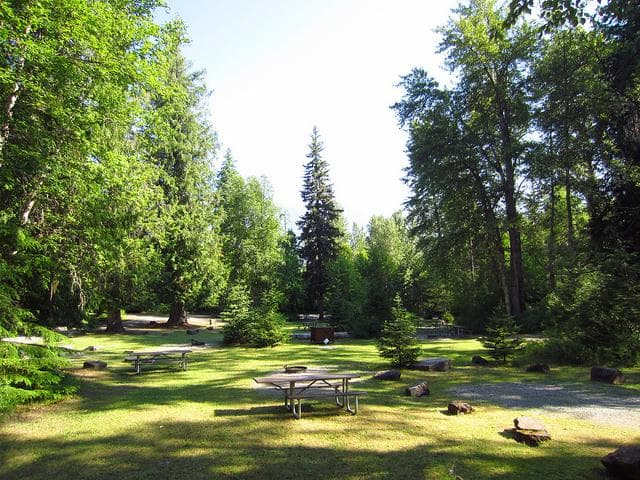
Sprague Creek Campground
Sprague Creek is a small campground located on the northeast shore of Lake McDonald, just off Going-to-the-Sun Road. Towed units (vehicle plus unit) and RVs exceeding 21 feet are not permitted in this campground. The campground is located within trees, providing shade during warm summers. Some sites near the shore have unobstructed views of Lake McDonald. Reservations are required to camp at Sprague Creek Campground. Click the reservation button below for details.
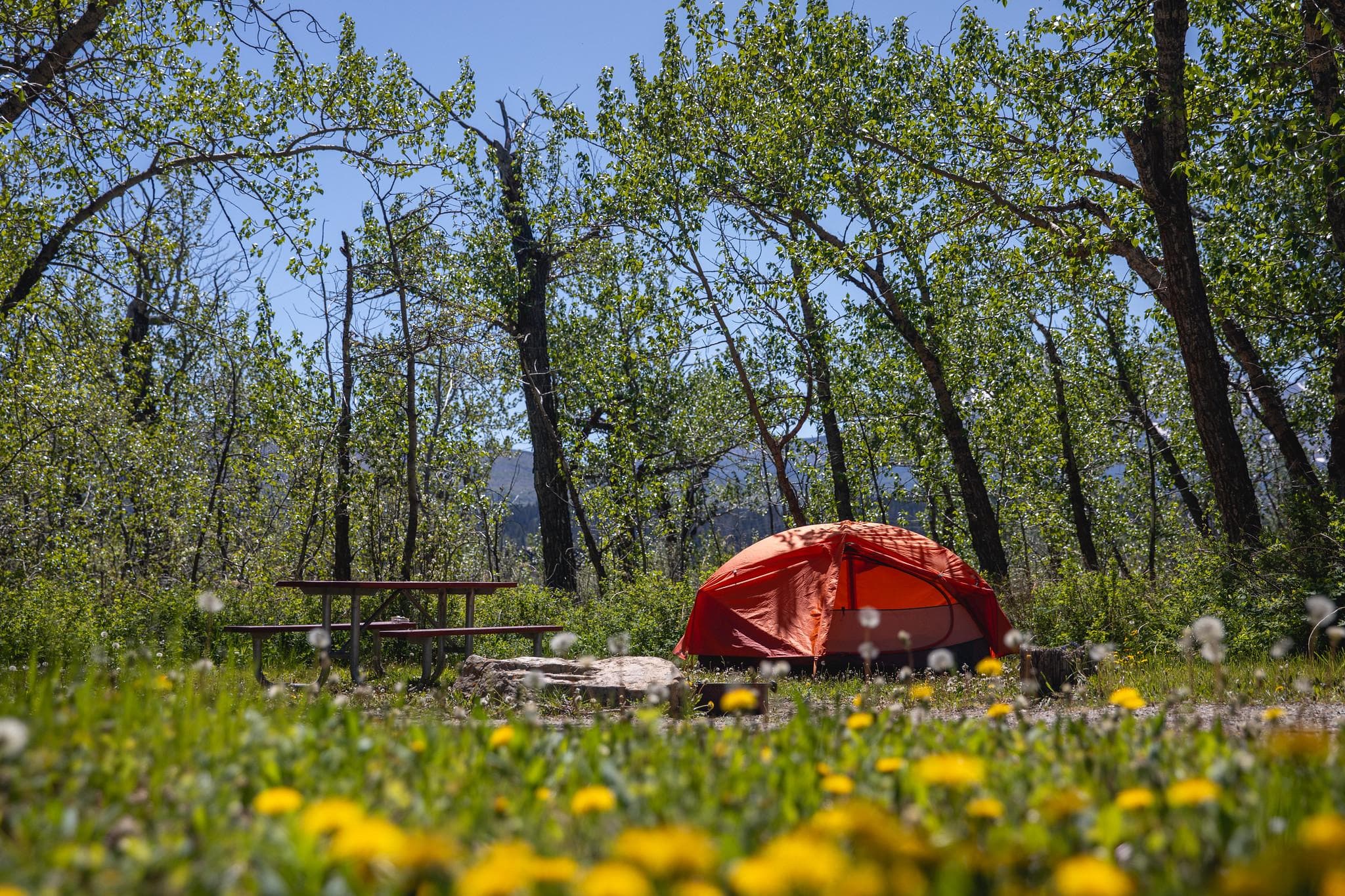
St. Mary Campground
St. Mary Campground is the largest campground on the east side of Glacier National Park and is open year-round. Activities such as interpretive programs, book sales, and shuttle service tours are located at the nearby St. Mary Visitor Center. St. Mary requires a reservation throughout the season. Though shade may be sparse, aspen trees grace St. Mary Campground with soothing sounds from spring and summer breezes, and colorful splashes of yellow late in the season.
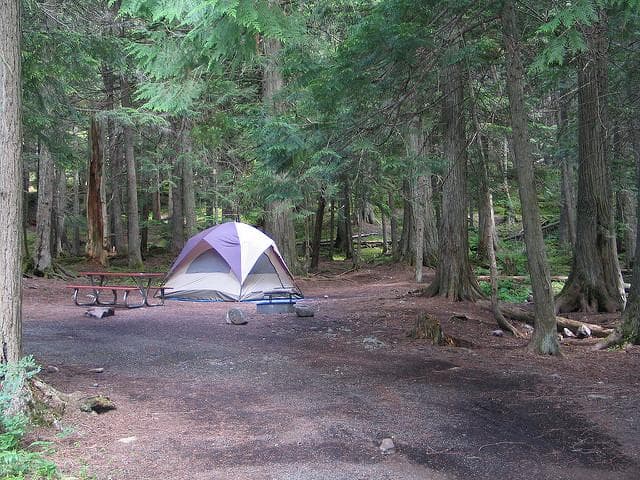
Avalanche Campground
Avalanche Campground is located in one of the most popular sections of Glacier National Park west of the Continental Divide. The campground accommodates tent and RV campers, however only 50 sites will accommodate vehicle lengths up to 26 feet. Bring your hiking boots and binoculars. Two popular day hikes offer spectacular scenery and glimpses of birds and wildlife that inhabit the area. Advanced reservations are required for all sites. Check Recreation.gov for details.
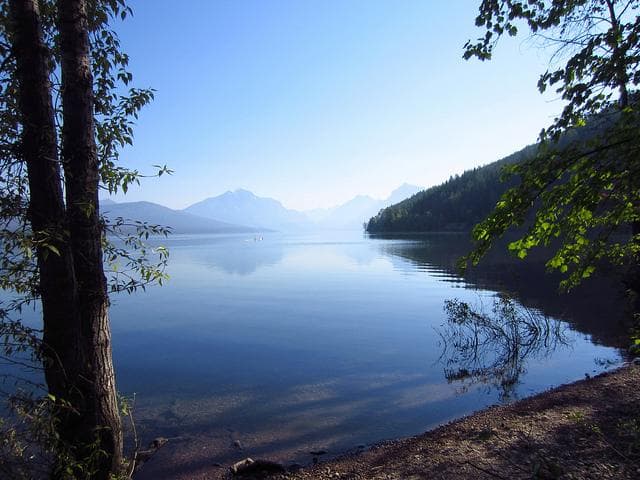
Apgar Campground
Apgar Campground is the largest campground in the park. It is situated in trees and provides tent and RV campers with shade and some privacy. Evening sunsets on Lake McDonald are only a short stroll, and you won't want to miss evening programs with a ranger at the Apgar Amphitheater. Many trails are located within a short drive of the campground. Advanced reservations are required for all sites. Click the reservation button below for details.
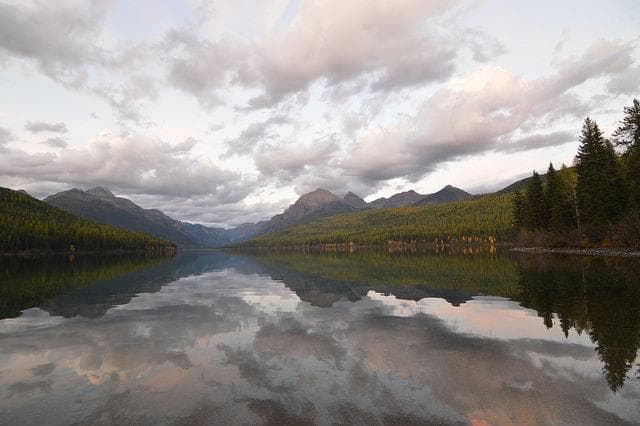
Bowman Lake Campground
Bowman Lake Campground is located in the North Fork area of Glacier National Park approximately 32.5 miles from the west entrance and 30 miles from the Canadian border. The drive to Bowman Lake is a very slow, dusty, and bumpy ride on dirt roads. Trailers are not permitted. The campground is located close to the shore of Bowman Lake and camp sites are within trees for shade and some privacy. Tent campers looking for peace and quiet will enjoy Bowman Lake for its serenity and remote location.
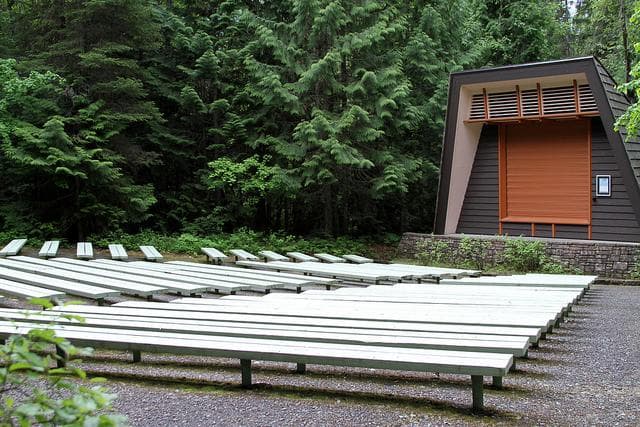
Fish Creek Campground
Fish Creek is the second largest campground in the park and is one of the campgrounds in the park that takes reservations. Sites within the campground are surrounded by trees and provide shade and some privacy to both tent and RV campers. Some sites, though not directly on the shore of Lake McDonald, offer filtered views of the lake.
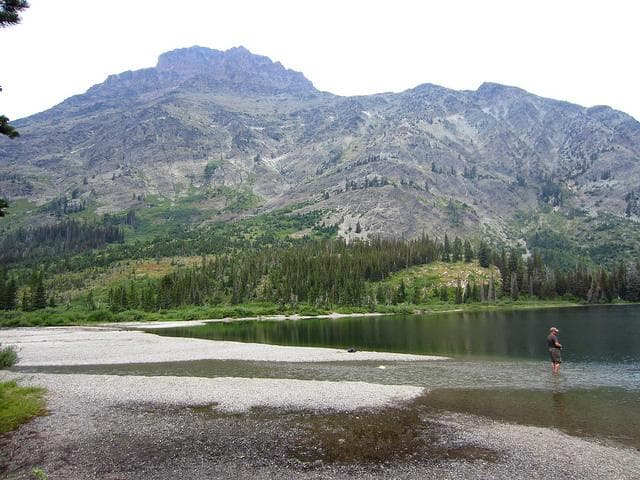
Two Medicine Campground
Two Medicine is approximately 13 miles from East Glacier. Sites within the campground at are generally shaded by trees, and offer some privacy from other campers. Boat tours and Red Bus tours can be found at Two Medicine. There are numerous day hiking opportunities available, including a handicap accessible trail to Running Eagle Falls. The campground remains open in late-September for primitive camping with no running water or flush toilets. Advanced reservations are required for all sites.
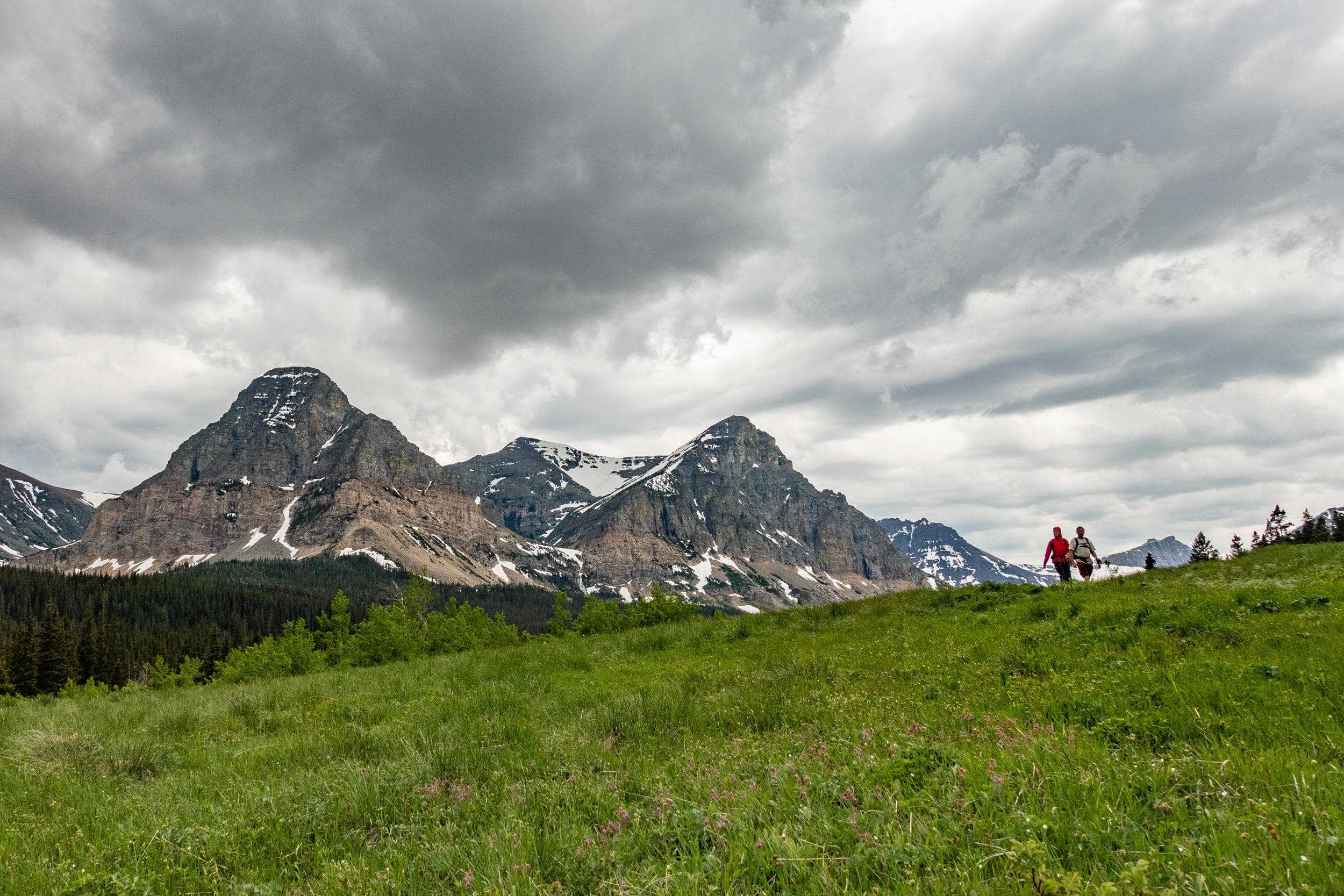
Cut Bank Campground
The Cut Bank Campground is located on the east side of Glacier National Park and provides a sense of peace and quiet that may not be found in larger campgrounds within the park. The campground is accessed by a 5-mile dirt road off of highway 89. The campground is geared toward tent campers. RVs are not recommended. Starting in 2025, Scan & Pay will be required through the Recreation.gov app to pay for a campsite. This requires downloading the free Recreation.gov mobile app prior to arrival.
Parking & Access
Getting Here
Glacier National Park is located in the northwest corner of Montana along the spine of the Rocky Mountains. By car you can access Glacier via Highway 2, which runs along the southern boundary of the park. You can reach the east side of the park via Highway 89. The nearest airports are in Kalispell and Great Falls, Montana.
Official NPS directionsParking Lots
Quarter Circle Parking Lot
Parking area for visitors utilizing red buses, Sun Tours or Chalet shuttles. The left side of the parking lot is for guest parking, and the right side is for concessioners to stage and pick up guests.
Open in MapsGetting Here & Transit
How to Get Here
Glacier National Park is located in the northwest corner of Montana along the spine of the Rocky Mountains. By car you can access Glacier via Highway 2, which runs along the southern boundary of the park. You can reach the east side of the park via Highway 89. The nearest airports are in Kalispell and Great Falls, Montana.
Park Amenities
Permits & Reservations
Permits may be required
Some activities in Glacier National Park — including backcountry camping, certain trails, and climbing routes — require advance permits. Check the official NPS website for current requirements before your visit.
Entrance Fees & Passes
Standard Fees
Entrance - Private Vehicle
$35.00(Winter Rate - $25.00, November 1 to April 30) This is an entrance fee for all persons traveling in a single, private, non-commercial vehicle (car/truck/van). The pass is good for seven days and is non-transferable. Visitors can enter the park at any time, if the entrance station is not staffed, a self-registration area is available for purchasing a 7-day park pass.
Entrance - Per Person
$20.00(Winter Rate - $15.00, November 1 to April 30) This is a per person entrance fee for a visitor traveling on foot, bicycle, or for individuals traveling together in a vehicle as a non-commercial, organized group. The pass is good for seven days and is non-transferable.
Entrance - Motorcycle
$30.00(Winter Rate - $20.00, November 1 to April 30) Valid for 7 days. Admits up to 2 private, non-commercial motorcycles with up to 4 total passengers.
Commercial Entrance - Sedan
$25.00Entrance fees are based on the seating capacity of the vehicle (driver not included). Commercial Sedan entrance fee is $25, plus $20 per person, 16 years of age or older. The pass is good for seven days and is non-transferable.
Commercial Entrance - Van
$75.00Entrance fees are based on the seating capacity of the vehicle (driver not included). Commercial Van entrance fee is $75 regardless of occupancy. The pass is good for seven days and is non-transferable.
Commercial Entrance - Mini-bus
$100.00Entrance fees are based on the seating capacity of the vehicle (driver not included). Commercial Mini-bus entrance fee is $100 regardless of occupancy. The pass is good for seven days and is non-transferable.
Commercial Entrance - Motor Coach
$200.00Entrance fees are based on the seating capacity of the vehicle (driver not included). Commercial Motor Coach fee is $200 regardless of occupancy. The pass is good for seven days and is non-transferable.
Nonresident
$100.00Each non-US resident aged 16 and older visiting Glacier National Park must pay a $100 nonresident fee (in addition to the standard entrance fee), unless admitted with an Annual or America the Beautiful Pass. This includes nonresidents entering as part of a commercial tour group, commercial use authorization (CUA) group, or concessioner tour group.
Annual & Lifetime Passes
Annual Entrance - Park
$70.00New in 2024, all passes will have one signature line for a single passholder. This pass is valid for one year from the month of entry and admits the purchaser and passengers in a single, private, non-commercial vehicle, or the pass holder and his/her immediate family (spouse, children, parents) when entry is by other means (foot, bicycle) into the park. It is nontransferable, nonrefundable, and does not cover camping fees.
Operating Hours
Glacier National Park
Glacier National Park is open 24 hours a day 365 days of the year. An entrance fee is required, even when entrance stations are not staffed. Instructions are available at each entrance for self-payment.
- MondayAll Day
- TuesdayAll Day
- WednesdayAll Day
- ThursdayAll Day
- FridayAll Day
- SaturdayAll Day
- SundayAll Day
Live Webcams
Click any camera to open the live feed on the NPS website.
St. Mary Visitor Center Osprey Nest
For several years this nest pole (provided by Glacier Electric) was used by a pair of osprey who raise young here each year. It has been 3-4 years now since the nest was used, but we continue to hope that another pair of osprey will be looking for a place to nest and will call this pole home again.
Lake McDonald - 1
To many visitors to the park, this view is their first introduction to the spectacular scenery of Glacier National Park. This iconic view from Apgar, at the foot of Lake McDonald, really shows what Glacier is all about...big glacially carved lakes, vast wild views of the high peaks along the Continental Divide, and the ever-changing forests that blanket much of the lower elevations. It's no wonder that for many people when they think of Glacier, they think of this view.
Apgar Mountain
This view to the northeast from the summit of Apgar Mountain provides a spectacular view of Lake McDonald and the mountains in the distance. To the left of the lake are Stanton Mountain and Mt. Vaught (Stanton just in front of Vaught) and then just to the right the Garden Wall. The Continental Divide follows the crest of the Garden Wall. Continuing to the right are Mt. Cannon and Mt. Brown. The last mountain clearly visible to the right is Edwards Mountain. Apgar Lookout is at the summit and one of the more popular hikes on the west side.
Apgar Village
The village of Apgar is the main hub of activity (on the west side of the park) throughout the summer. The park's largest campground is located here as are gift shops, a restaurant, lodging facilities, and boat and recreational equipment rentals.
Park Headquarters
This was the first webcam view that Glacier National Park offered. Originally it was only going to be a test until a better location was found, but it turns out that this view has a large following. Watch for the occasional lunchtime crowd at the picnic table or our resident deer wandering about. Some years in the early summer beargrass blooms dot the forest.
Middle Fork of the Flathead River
The Middle Fork of the Flathead River forms the southwest border of Glacier National Park. This view, from near Park Headquarters, shows the river as it flows under the West Glacier bridge. At night some of the lights of West Glacier may be visible. During the summer, watch for rafters. Several commercial rafting businesses use this section of river. In the winter, the only activity along the river might be the occasional coyote or deer or a really cold kayaker.
The Ground Squirrels are Awake
Now that it's spring the ground squirrels are up and at it. They will spend the summer fattening up on plants. They don't stay active for very long however. They generally return to their burrows for winter hibernation in late August. This camera is only online temporarily. It may be moved to another location soon.
St. Mary Visitor Center
The view from this webcam can be changed by park staff and occasionally we will move it and provide a different aspect of the view from the St. Mary Visitor Center. We hope to be able to provide close views of the elk in the fall and winter, tighter views of the mountains, and occasionally people at the Entrance Station and in the Visitor Center. Thanks to the Glacier National Park Conservancy for their continued support of the park's webcam installations.
Photos
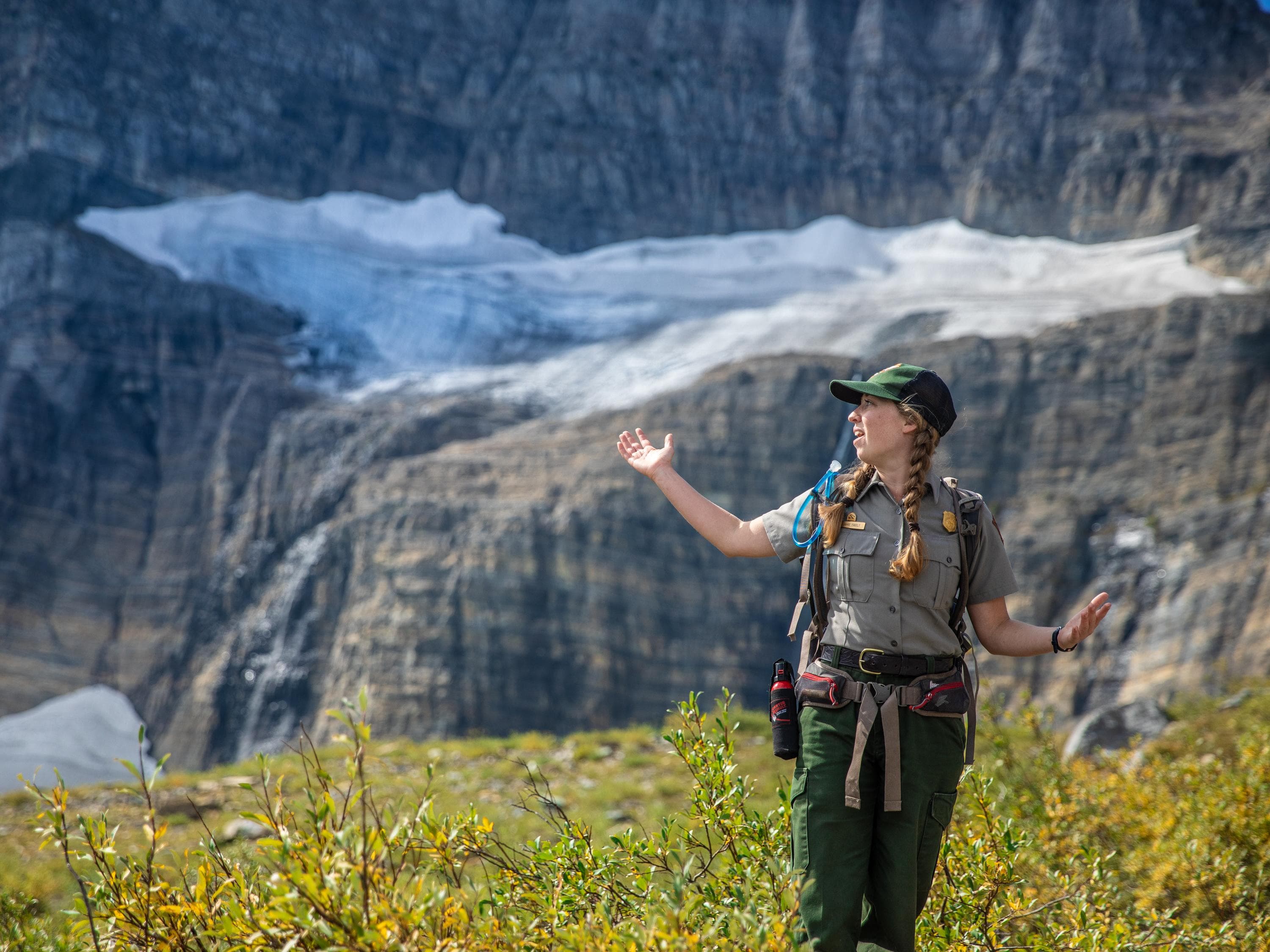
A park ranger standing with arms out in front of snow and ice.
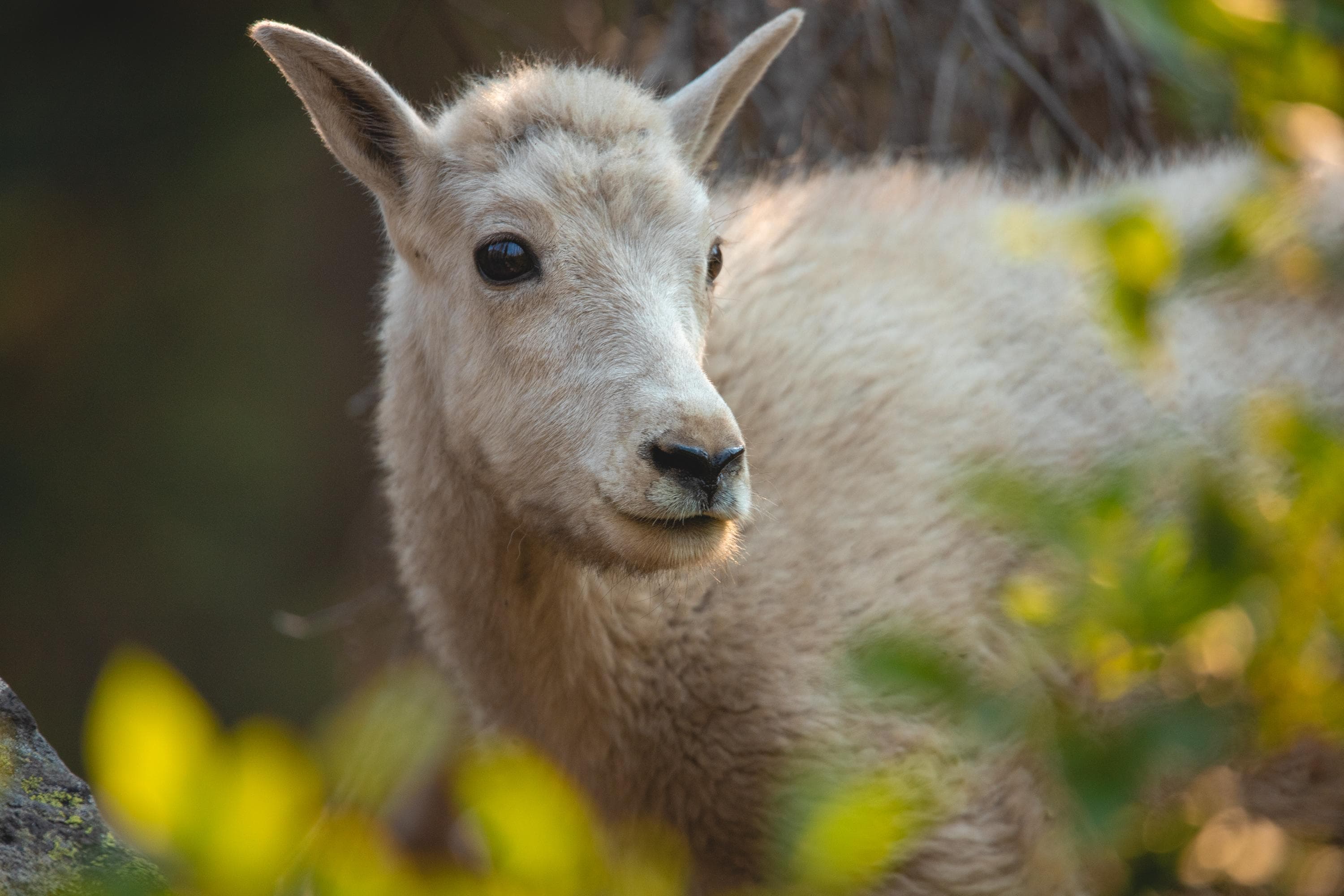
A young mountain goat surrounded by bushes
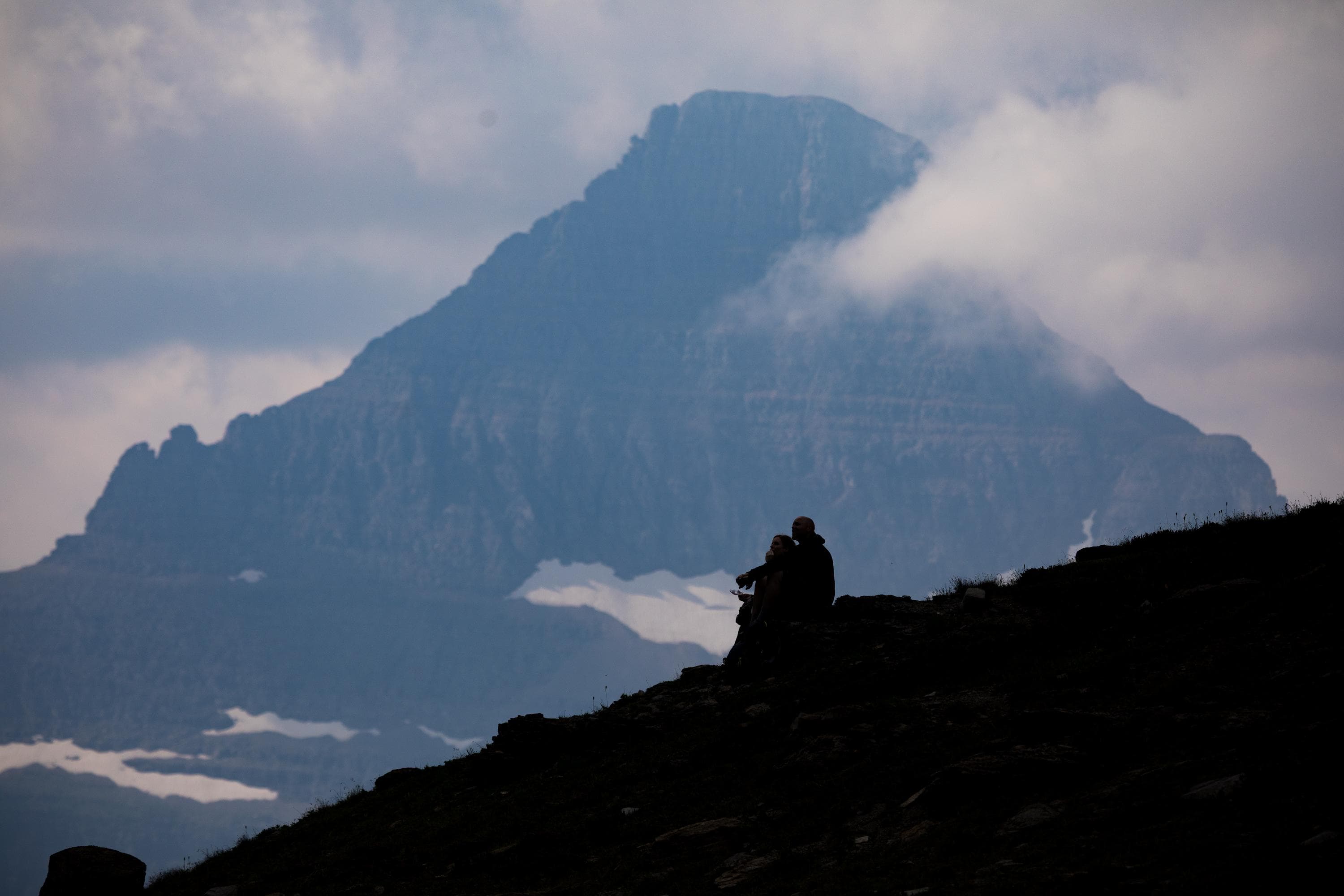
people sitting on a hill with clouds and mountain behind
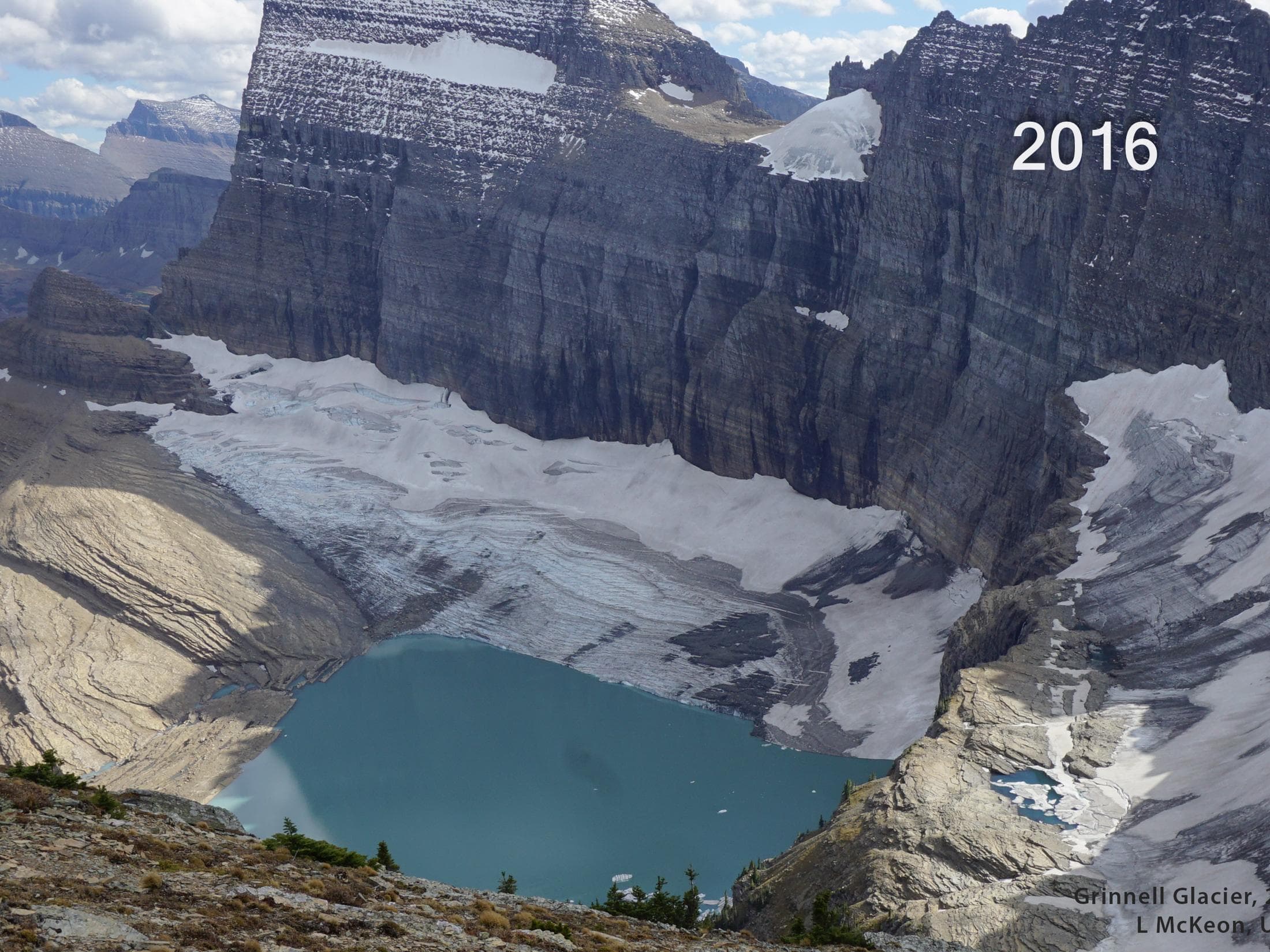
Grinnell Glacier from Lower Grinnell Ridge in 2016
When to Go
Crowd CalendarPlan your trip around peak seasons to avoid crowds or embrace the energy of the busy months. Our crowd predictions are based on historical NPS Visitor Use Statistics.
Jan
Feb
Mar
Apr
May
Jun
Jul
Aug
Sep
Oct
Nov
Dec
Build your Glacier itinerary
Tell Miza your dates, pace, and interests—get a day-by-day plan with hikes, drives, and must-see stops.
Best Time
May-September
Trip Length
2-4 days
Searching for the best hotel deals near Glacier National Park...
Planning Glacier
These common questions go deeper into logistics and planning. For real-time updates on road closures and current conditions, always check the Alerts section above.