

When you're behind the wheel for a 14-hour drive to Yellowstone, standard tinted sunglasses won't cut it. The glare bouncing off the highway, other cars, and wet roads causes serious eye fatigue.
Polarized lenses contain a special chemical film that absorbs horizontal light waves (glare), while still allowing vertical light waves to pass through. The result? Crisp, high-contrast vision and zero squinting.
Why You Need Polarization
- ✔ Reduces eye strain: Prevents headaches on long drives.
- ✔ Improves safety: Cuts blinding glare from wet roads.
- ✔ Enhances scenery: Makes the sky bluer and trees greener.
Expert tip: Make sure you pack reliable gear for this adventure.
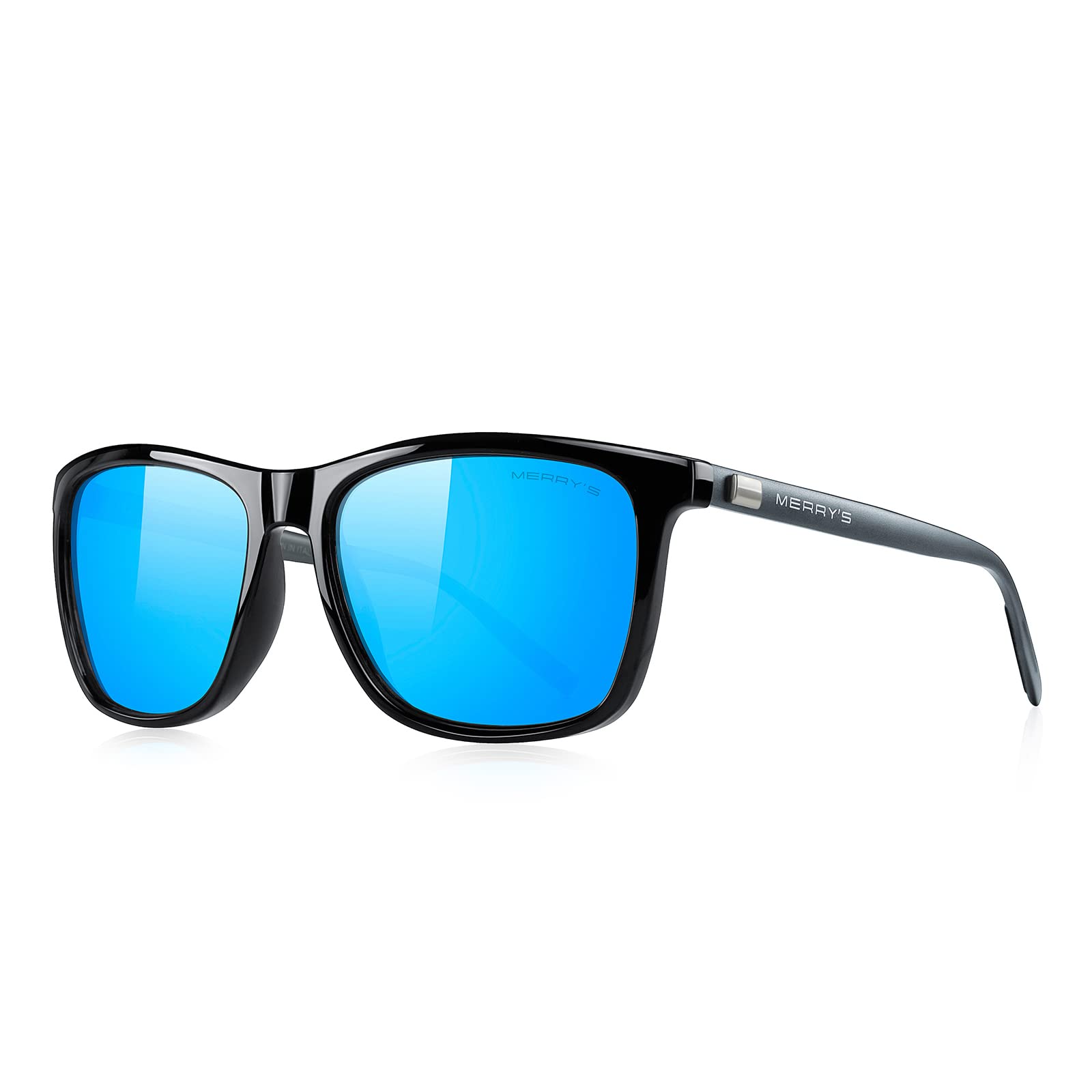
1. Overall Best Value: MERRY'S Unisex Polarized Aluminum
You don't need to spend $200 on Ray-Bans to get incredible polarization. Based on thousands of user clicks and reviews from our community, these MERRY'S aluminum sunglasses are the ultimate road trip companion. They feature a lightweight aluminum-magnesium alloy frame, meaning they won't weigh down on your nose during a cross-country drive. At under $20, they are easily replaceable if they get scratched on a hiking trail.

MERRY'S Unisex Polarized Aluminum Sunglasses
Lightweight aluminum frame, 100% UV400 protection, and excellent glare reduction for long drives.
2. Best for Active Hikers: Oakley Half Jacket 2.0
If your road trip involves pulling over to hike steep trails (like the Angels Landing hike in Zion), you need frames that grip. Oakley's Unobtainium earsocks actually increase grip when you sweat.
3. Best Budget Backup: KastKing Skidaway
Always keep a spare pair in the glovebox. The KastKing Skidaway offers surprisingly decent polarized TAC lenses for around $15, making them the perfect backup pair.
What to look for in driving sunglasses
- Lens Color: Gray lenses reduce overall brightness while preserving 100% normal color recognition. Brown/amber lenses improve contrast on overcast days.
- Frame Weight: Look for materials like Titanium or Aluminum-Magnesium alloy to prevent nose-bridge fatigue.
- Wrap-around vs Aviator: Wrap-around styles block side-glare, which is crucial for driving during sunrise and sunset.
Build your itinerary in seconds
Our AI uses insights from this guide to build the perfect route for your next adventure.
Start Planning Free