

Altitude Sickness on a Road Trip: How to Drive the Colorado, Utah and Wyoming High Country Without Getting Sick
Sleep low, climb high. A night-by-night elevation plan and the warning signs that mean turn around.
Most altitude trouble on a road trip does not happen on a summit. It happens in the parking lot and the motel bed. Trail Ridge Road in Rocky Mountain National Park reaches about 12,183 feet, and Independence Pass tops out near 12,095, both reachable in a rental car within hours of leaving sea level.
What most guides miss: your sleeping altitude matters more than the highest point you touch in a day. This guide is informational only and is not medical advice; if you have heart, lung or pregnancy concerns, or are traveling with young children, talk to a doctor before you go.
What Altitude Sickness Is and Where It Starts
Acute mountain sickness is the body's reaction to lower oxygen at elevation: headache, nausea, dizziness, poor sleep, fatigue. It can begin around 8,000 feet and becomes more likely above 9,000. Fitness does not protect you.
| Place | Approx. elevation (ft) |
|---|---|
| Denver | 5,280 |
| Moab, UT | 4,000 |
| Yellowstone Lake | 7,700 |
| Estes Park, CO | 7,500 |
| Breckenridge, CO | 9,600 |
| Leadville, CO | 10,150 |
| Trail Ridge Road high point | 12,180 |
| Mount Evans Road high point | 14,130 |
The Sleeping-Altitude Rule and a 4-Night Plan
The counterintuitive core: climb high during the day, but sleep lower. Health agencies suggest that above about 9,000 feet you should avoid raising your sleeping elevation by more than roughly 1,600 feet (500 meters) per night.
Denver
~5,300 ftArrive, walk, drink water, and resist the temptation to drive straight into the mountains.
Estes Park
~7,500 ftSpend the day in Rocky Mountain National Park below treeline. Drive Trail Ridge Road only if you feel well.
Granby or Winter Park
~8,000–9,000 ftA step up in sleeping elevation without a big jump.
Breckenridge
~9,600 ftThe highest night of the trip comes only once your body has adjusted.
Acclimatization is a routing problem. TripsGalaxy.com builds your high-country route so each night's elevation climbs gradually, and opens it in Google Maps.
Plan it freeWhat Actually Helps
- Drink more water than usual; the dry air pulls moisture out of you quickly.
- Take the first day easy and avoid heavy alcohol the first night, since it hits harder at altitude.
- Eat carbohydrate-rich meals and keep activity light.
- Ask your doctor about prescription options before the trip; do not rely on supplements or canned oxygen, which have no proven benefit for preventing altitude illness.

Warning Signs: When to Descend
Severe headache that medication does not relieve, confusion, loss of coordination, breathlessness at rest, or a cough with pink or frothy sputum are medical emergencies. Descend immediately and seek care; do not continue the drive up.
This list is a safety summary, not a diagnosis. The CDC and National Park Service publish detailed guidance for visitors.
Kids, Older Travelers and Medical Conditions
Children get altitude illness too and cannot always say what is wrong. Watch for unusual fussiness, poor feeding or sleep, and vomiting. Older travelers and anyone with heart or lung conditions should talk to a doctor before booking a high-elevation route.
Packing for the Dry, Thin Air
Hydration
- ✓Large refillable bottle
- ✓Electrolyte mix
- ✓Lip balm
Sun
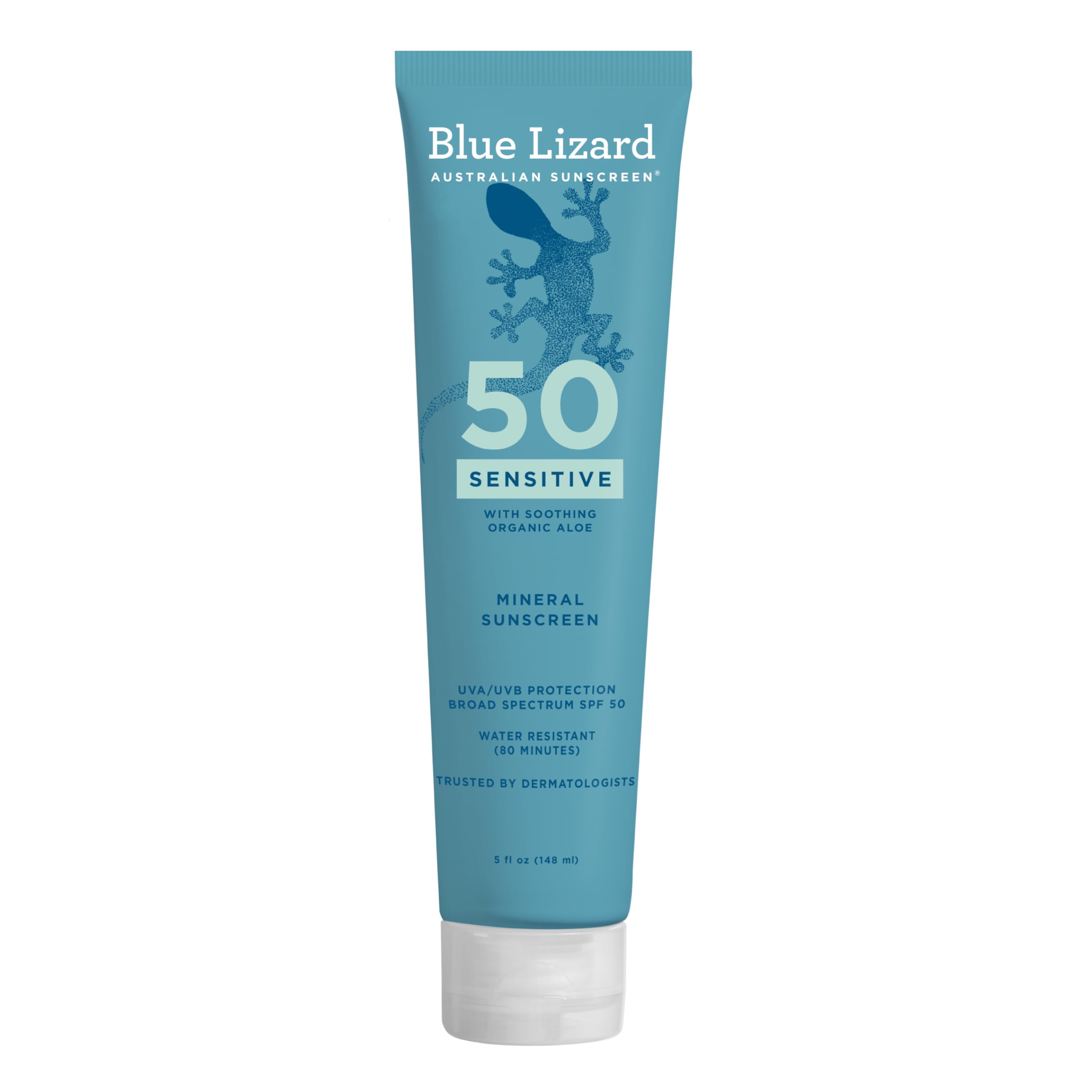
- ✓High-SPF sunscreen
- ✓Sunglasses
- ✓Wide-brimmed hat
Layers
- ✓Lightweight insulating layer
- ✓Rain shell
- ✓Warm hat and gloves
Common Questions
At what elevation does altitude sickness start?+
How do you prevent altitude sickness when driving?+
How long does altitude sickness last?+
Is Trail Ridge Road high enough to cause altitude sickness?+
Continue Reading
Colorado Rockies Road Trip: 6 Days Through the High Country
A 6-day Colorado road trip — Rocky Mountain National Park, Independence Pass, Aspen, and the Million Dollar Highway.

Camping Gear Checklist for National Park Road Trips
The complete car camping checklist — shelter, kitchen, comfort, and the items everyone forgets. Built for national park campgrounds at $15–$35/night.

Best Time to Visit Yellowstone National Park
Month-by-month breakdown of crowds, wildlife, weather, and what to expect each season.
See Your Trip Come to Life
MIZA AI instantly turns inspiration into a fully mapped, day-by-day itinerary. Here's a sneak peek.
Altitude Sickness on a Road Trip: How to Drive the Colorado, Utah and Wyoming High Country Without Getting Sick
Morning Scenic Drive
09:00 AMLocal Coffee & Breakfast
10:30 AMViewpoint & Photography
11:45 AMHistoric Downtown
01:30 PMMorning Scenic Drive
09:00 AMLocal Coffee & Breakfast
10:30 AMViewpoint & Photography
11:45 AMHistoric Downtown
01:30 PMMorning Scenic Drive
09:00 AMLocal Coffee & Breakfast
10:30 AMViewpoint & Photography
11:45 AMHistoric Downtown
01:30 PMHeading into the high country?
TripsGalaxy.com builds your mountain route with gradual elevation gain and scenic stops, and opens it in Google Maps. Free.
Plan This Trip →